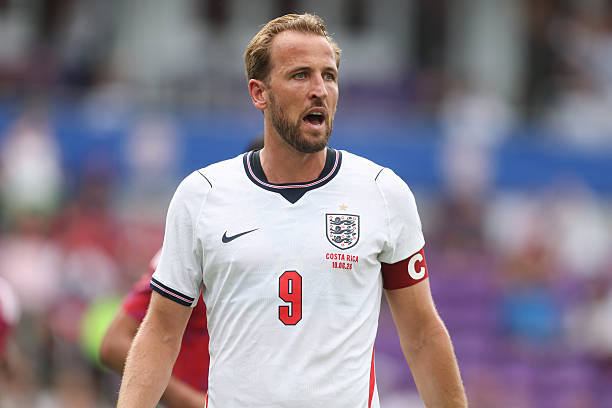
The Ballon d'Or has crowned many players, but few acceptance speeches can match the quiet dignity of Harry Kane's. The Bayern Munich striker's triumph didn't come through a singular moment of genius or a viral Instagram highlight reel. Instead, it represents the culmination of relentless self-improvement, tactical intelligence, and the kind of consistency that elite performers maintain over years rather than months.
Kane's journey to world football's most prestigious individual honour is remarkable precisely because it defied conventional wisdom. Early in his career, critics questioned whether his playing style—deliberate, positioning-based, less explosive than his contemporaries—could translate to the highest level. Some suggested he was fundamentally a Premier League player, brilliant in English football but lacking the dynamism required to dominate Europe. Those doubters have been comprehensively proven wrong.
What makes Kane's evolution particularly instructive is how intentional it has been. Rather than relying purely on goal-scoring prowess, he has systematically expanded his game. His movement off the ball has become increasingly sophisticated, creating space through intelligent positioning rather than explosive pace. His passing range, particularly his longer switches and through-balls, has elevated the entire attacking structure around him. Crucially, he has become harder to mark—defenders can no longer simply shadow a single point on the pitch.
The move to Bayern Munich catalysed much of this development. In the Bundesliga and Champions League, Kane had to adapt to different defensive systems and press configurations. Rather than becoming a one-dimensional target man in a possession-based system, he thrived by becoming more multifaceted. His work rate off the ball intensified, his involvement in build-up play deepened, and his efficiency in front of goal remained elite.
Want AI-Powered Match Predictions?
Get daily tips, AI accumulators and bankroll advice from SportCast.
🚀 Join SportCast VIPWhat sets Kane apart from the pure goal-scorers who have previously dominated these awards is his refusal to be boxed into a single role. He understands that modern football demands versatility. A striker who only waits for chances will be starved of them against well-organised defences. Instead, Kane creates the conditions for his own success through intelligent running, tactical awareness, and an almost obsessive attention to detail regarding his positioning and movement patterns.
His Ballon d'Or victory, then, isn't merely about the goals, though those remain plentiful. It's recognition that football's landscape has shifted. The sport increasingly rewards complete players over specialists. Kane's triumph validates a different approach to elite attacking football—one built on consistency, intelligence, and the unsexy work of making teammates better and creating your own opportunities.
As Kane continues his Bayern journey, this award represents vindication for a player who never conformed to conventional expectations. In an era of flashy dribbling and explosive athleticism, an intelligent, positioning-based striker has proven to be just as devastating—perhaps even more so.