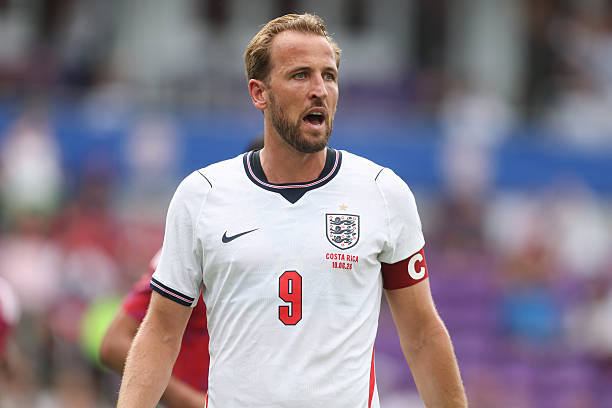
In a stunning validation of longevity and consistency over celebrity status, Harry Kane has won the 2026 Ballon d'Or, one of sport's most coveted individual awards. The achievement represents a remarkable journey for a player who spent much of his early career fighting against the narrative that he wasn't quite good enough for the absolute elite tier of world football.
Kane's path to this honour has been anything but conventional. Unlike many Ballon d'Or winners who arrived at their peak as fully-formed superstars, Kane built his reputation methodically, season after season, proving doubters wrong with relentless goalscoring output and all-around play. His evolution at Bayern Munich has been particularly striking, adapting to a new league and tactical system while maintaining his extraordinary standards in front of goal.
What makes Kane's Ballon d'Or win particularly significant is the message it sends about modern football values. In an era where social media dominance and marketability often overshadow pure sporting excellence, Kane's victory represents a return to basics—recognition that the best footballer is ultimately the one who performs most consistently at the highest level. His game has never been about dribbling past five defenders or gravity-defying athleticism. Instead, Kane's mastery lies in positioning, finishing precision, and the unglamorous work of creating space for teammates.
The 33-year-old striker's autobiography in his playing style—a journey from Tottenham's academy to becoming one of Europe's most feared strikers—resonates with a football audience increasingly fatigued by manufactured narratives. Kane represents the everyman professional who simply gets better every year through dedication and craft rather than natural gifts alone.
Want AI-Powered Match Predictions?
Get daily tips, AI accumulators and bankroll advice from SportCast.
🚀 Join SportCast VIPHis achievements this year have been staggering. Kane has combined elite goalscoring with playmaking that few strikers in the world can match, demonstrating why he remains the most complete centre-forward in modern football. The Ballon d'Or judges clearly valued this holistic excellence over the flashier performances from younger rivals.
Looking ahead, Kane's win raises intriguing questions about succession and longevity in elite football. At an age when many strikers enter their decline, Kane appears to be playing some of his best football. His continued presence at the top of European football's pecking order demonstrates that the traditional career arc may be changing, with modern sports science and professionalism extending peak performance years.
For Bayern Munich and the German national team, Kane's recognition as the world's best footballer provides validation of their investment and faith. It also sets up an intriguing conclusion to what promises to be one of football's great careers—one defined not by individual moments of genius, but by sustained, unrelenting excellence.