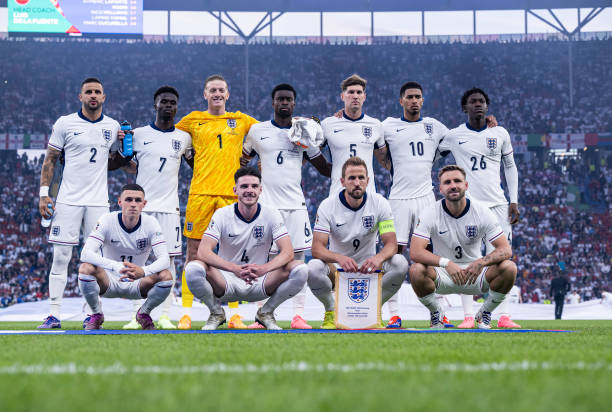
The script seemed written for an English fairy tale. Trailing against Argentina in the World Cup semi-final, England fought back to take the lead through a Gordon goal that set Argentine hearts racing. For a moment, redemption felt within reach after decades of near-misses and crushing disappointments. But football, as it so often does, had other plans.
Luis Martínez's late header delivered the cruelest of blows, sending Argentina through to face Spain in the final while leaving England to contemplate what might have been. The loss represents the most painful exit in the nation's 60-year World Cup journey, a bitter pill made all the harder by the manner of the defeat. Coming so close, only to slip through their fingers in the closing stages, has reignited the familiar narrative of English heartbreak on football's biggest stage.
Tuchel's tactical approach came under intense scrutiny following the loss. Critics argued that England showed Argentina, and Messi in particular, too much respect, allowing the Argentine maestro to dictate play and pull strings from deep positions. The passive defensive setup that had worked in earlier rounds appeared vulnerable against Argentina's creativity, with Messi operating as a de facto quarterback on the pitch, constantly switching play and finding pockets of space for his teammates to exploit. Pundits questioned whether the manager's conservative strategy cost England the match, with analysts suggesting the team "crumbled" when they needed to impose themselves.
The incident involving Jude Bellingham also dominated post-match conversations, with reports suggesting the young England star clashed with an Argentina substitute after the final whistle. The emotional temperature of the match clearly ran high, reflecting the desperation both teams felt in those closing minutes.
Despite the defeat, Tuchel retained the backing of the FA, with the governing body signalling their continued support for the manager going forward. The focus now shifts to Euro 2028, where England will attempt to bounce back from this setback and finally end their tournament drought. The early indicators suggest Tuchel will use this painful lesson to address the key tactical problems exposed by Argentina's victory.
Four years is a long time in football, but England's squad possesses genuine quality. The challenge for Tuchel will be instilling the necessary aggression and directness required to compete at the highest level while maintaining the defensive solidity that has become his trademark. The Argentine defeat may ultimately prove to be the catalyst that galvanizes England toward future glory.