In a masterclass of collective football, Spain has shattered France's World Cup dreams with a commanding performance that sent them through to the 2026 final. The result represents not just a victory for Luis de la Fuente's side, but a statement about the future direction of elite football—one where system and cohesion reign supreme over individual stardom.
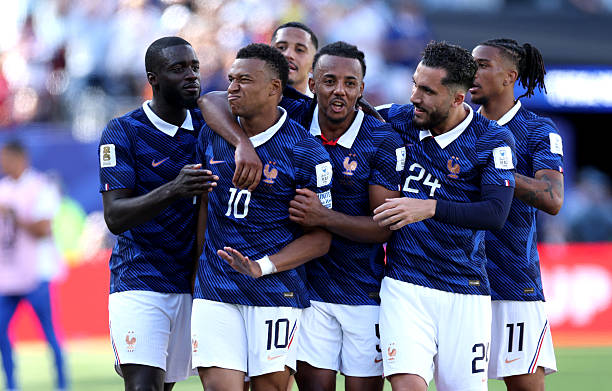
France entered the semi-final as one of the tournament's favorites, boasting a squad brimming with world-class talent. Yet against a Spanish team that has built its success on suffocating pressure, intelligent positioning, and intricate ball movement, even their exceptional players found little room to operate. The tactical gulf was evident from the opening whistle, with Spain controlling possession and dictating the tempo throughout.
What made Spain's performance particularly impressive was their refusal to be drawn into a battle of individual brilliance. Instead, they executed their gameplan with remarkable discipline, pressing high, recycling possession efficiently, and creating overloads in key areas. Their fullbacks provided constant width, their midfield trio controlled the center of the pitch, and their forwards worked tirelessly without the ball. It was, in many respects, the antithesis of how France attempted to play the match.
For Didier Deschamps, this represents a bittersweet conclusion to an extraordinary tenure. The French manager guided his nation to the World Cup final just four years ago and has maintained France as a genuine contender throughout his time in charge. Yet the changing landscape of international football has caught up with him. Spain's demonstration that collective organization can neutralize even the most talented individuals raises serious questions about France's future direction and whether their star-laden approach remains viable at the highest level.
Want AI-Powered Match Predictions?
Get daily tips, AI accumulators and bankroll advice from SportCast.
🚀 Join SportCast VIPSpain now awaits either England or Argentina in the final, having rediscovered the form that made them European champions. After periods of relative underperformance, de la Fuente has rebuilt them into a cohesive unit capable of suffocating opponents and converting that dominance into goals. Their technical quality remains unmatched, but it's their defensive solidity and tactical intelligence that has truly transformed them.
For France, there will be soul-searching. Do they need to embrace a more structured, team-first approach? Can their talented individuals be melded into a more efficient system? These questions will define the post-Deschamps era as France seeks to maintain their status as a world power while adapting to an evolving tactical landscape.
Spain's passage to the final is a watershed moment—a validation that in modern football, the sum truly can be greater than its parts.