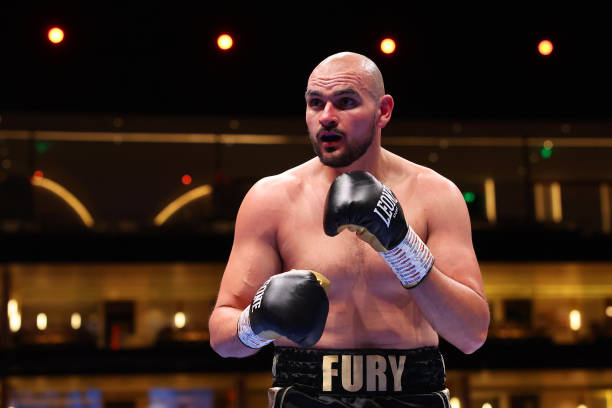
In boxing, certain fights transcend sport and become cultural phenomena. The potential unification showdown between Tyson Fury and Anthony Joshua in 2027, as Frank Warren suggests, represents exactly that kind of opportunity—a chance to reshape the heavyweight division's entire trajectory and provide definitive answers to lingering questions.
The heavyweight division has been fragmented for years, with multiple champions holding different belts and fighting in isolated silos. This fragmentation, while creating opportunity for ambitious promoters, has ultimately diminished the sport's prestige. When fans ask who the "real" champion is, it reflects a fundamental problem: there's no consensus. Fury vs Joshua at unification could change that narrative overnight.
What makes Warren's suggestion particularly compelling is the timing. Both fighters are at intriguing crossroads in their careers. Fury has established himself as the elite technician of the modern era, deploying superior footwork and ring intelligence against all challengers. Joshua, meanwhile, has rebuilt his reputation through strategic comeback victories, proving resilience and adaptation. A clash between these contrasting styles—technical perfection versus physical resurrection—offers boxing fans an intellectually satisfying narrative alongside sporting spectacle.
The commercial implications are equally significant. Heavyweight unification fights have historically generated enormous revenue through pay-per-view, sponsorship, and gate receipts. In an era where boxing's commercial model is under strain from alternative entertainment and fractured broadcast rights, a Fury-Joshua showdown could reinvigorate interest and justify the premium pricing that boxing traditionally commands.
However, several obstacles remain. Both fighters must continue winning convincingly through 2026 and into 2027. Injuries, unexpected defeats, or boxing politics could derail negotiations. The international dimensions matter too—broadcast rights across major markets, venue selection, and fighter preference all influence whether a fight materializes. Saudi Arabia has emerged as a destination for heavyweight unifications, offering enormous financial incentives that might appeal to both camps.
Want AI-Powered Match Predictions?
Get daily tips, AI accumulators and bankroll advice from SportCast.
🚀 Join SportCast VIPFrom a sporting perspective, the fight's competitive balance is genuinely uncertain. Fury's technical superiority and experience navigating complex heavyweight dynamics might suggest favoritism. Yet Joshua's physical attributes, knockout power, and demonstrated ability to learn and evolve represent genuine threats to Fury's dominance. The unpredictability is precisely what makes it compelling.
Warren's comments also reflect broader industry conversations about heavyweight consolidation. Multiple promoters have recognized that fragmentation serves no one—not fans, not the sport, and ultimately not the fighters themselves. A genuine unification structure would establish hierarchy and provide clarity that contemporary boxing desperately lacks.
As 2027 approaches, all parties should recognize the unique opportunity before them. Fury vs Joshua isn't simply another heavyweight fight; it's a chance to define an era and provide boxing with the definitive narrative it currently lacks.