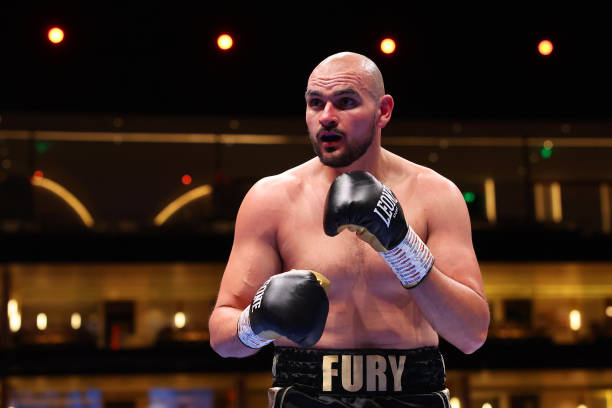
In a stunning display of commercial muscle, tickets for the Tyson Fury versus Anthony Joshua heavyweight championship clash have completely sold out within a single hour, with premium seating reaching an astonishing £13,000 per ticket. This unprecedented demand underscores the magnetic pull of two of heavyweight boxing's most recognizable names colliding in the ring, and signals that boxing's mainstream appeal remains as potent as ever in 2026.
The rapid ticket depletion speaks volumes about the narrative surrounding this fight. Both Fury and Joshua have maintained their status as global sporting icons, and the prospect of their collision has captivated fight fans worldwide. The fact that promoters could command such premium pricing—and successfully move inventory at those rates—demonstrates the depth of appetite for elite heavyweight boxing. In an era when casual sports fans often gravitate toward streaming events and pay-per-view spectacles, securing physical attendance at a live boxing event of this magnitude has become a genuine status symbol.
What makes this particular moment significant is the timing and location. Eddie Hearn's decision to stage the bout in the United Kingdom has generated considerable national pride, with British boxing fans viewing this as their chance to witness championship-level combat on home soil. Former heavyweight champion David Haye's observation that Hearn deserves credit for bringing such a momentous occasion to UK audiences underscores the promotional difficulties involved. International scheduling, fighter availability, and regulatory hurdles typically plague heavyweight championship bouts, yet Hearn has navigated these complexities to deliver what many consider the fight that heavyweight boxing truly needs.
The pricing structure itself reflects modern boxing economics. While £13,000 represents an astronomical sum for most sports fans, high-net-worth individuals, corporate hospitality seekers, and deeply committed boxing devotees have demonstrated willingness to pay premium rates for historic sporting moments. This mirrors the economics of elite tennis, golf, and formula one racing, where exclusivity and historical significance command top-tier pricing.
Want AI-Powered Match Predictions?
Get daily tips, AI accumulators and bankroll advice from SportCast.
🚀 Join SportCast VIPBeyond the commercial triumph, this sellout validates the broader argument that heavyweight boxing remains capable of generating mainstream cultural moments. In a fragmented sports media landscape, heavyweight championship fights represent rare occasions where casual audiences and hardcore enthusiasts converge. The Fury-Joshua bout promises technical excellence, power, speed, and genuine uncertainty about the outcome—ingredients essential for premium pricing justification.
As fighters prepare for competition and broadcasters finalize coverage agreements, the sold-out status already guarantees an electric atmosphere. The energy generated by a capacity crowd witnessing two elite heavyweights compete for supremacy will undoubtedly enhance the spectacle. Expect closed-circuit viewings to experience similar demand surges, and streaming figures to break records when the bout airs globally.
This commercial success positions boxing favorably within the broader sports entertainment landscape heading into late 2026, proving that despite competition from franchised sports and alternative entertainment options, heavyweight boxing's appeal remains fundamentally undiminished.