The 2026 Champions League final will be remembered as a masterclass in European football tension, with PSG edging Arsenal in a penalty shootout after a pulsating 120 minutes at a sold-out neutral venue. This wasn't just another trophy for the French giants—it was validation of their continental dominance and a statement that their project to build a European powerhouse has finally delivered sustained success at the highest level.
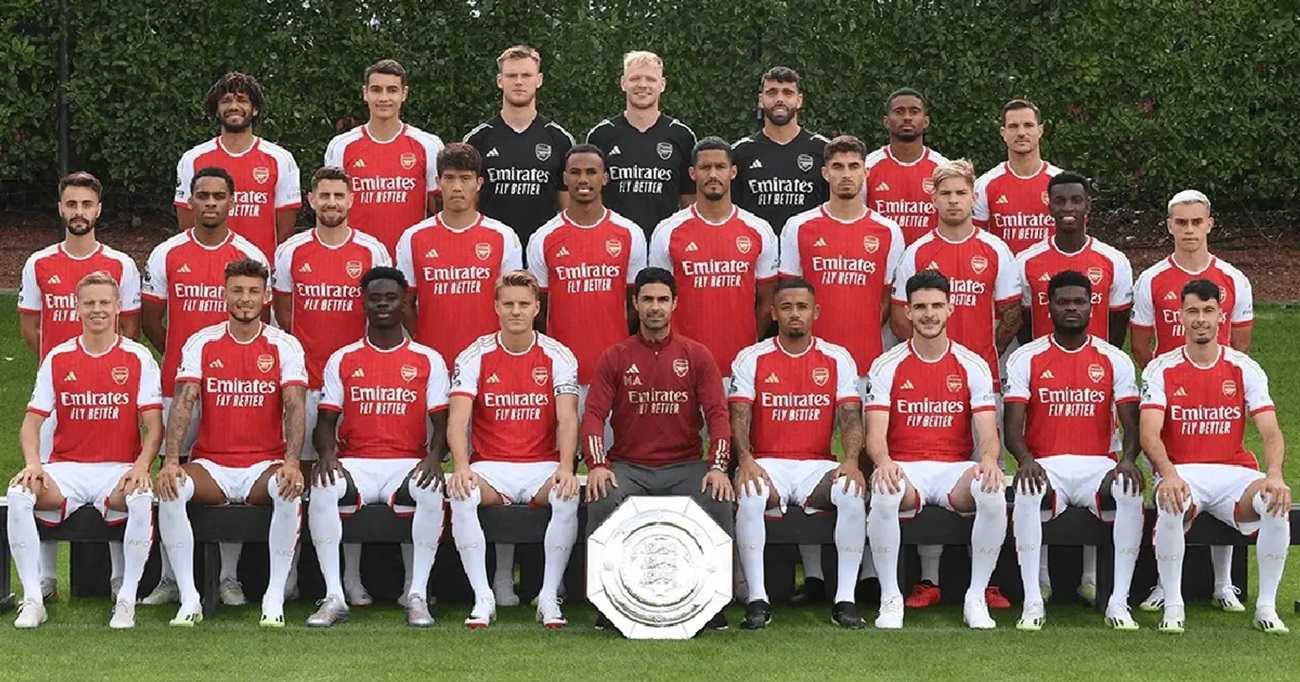
Arsenal's Premier League form—evidenced by their title parade just days earlier—suggested they had the ingredients for a maiden Champions League triumph. The Gunners, buoyed by domestic success and the clinical finishing that had carried them through the season, matched PSG for large stretches of the final. Kai Havertz fired the Londoners into an early lead, setting the stage for a compelling contest between two attack-minded sides.
However, PSG's experience in these moments proved decisive. The French champions showed the composure that comes with European pedigree, with Ousmane Dembélé equalising from the penalty spot to draw level and force the match beyond regulation time. In a final that ebbed and flowed, neither side could find the killer blow in extra time, leaving a penalty shootout to determine the victor.
It was Gabriel's misery that sealed PSG's triumph. The Arsenal defender's penalty blazed over the bar in a moment of heartbreak for the Londoners, who came agonisingly close to their first European Cup in decades. For PSG, the victory completes a remarkable trajectory that few thought possible when the club first began their ambitious spending spree years ago. Back-to-back Champions League titles place them among the tournament's elite winners—company previously reserved for Real Madrid, Bayern Munich, and AC Milan.
Want AI-Powered Match Predictions?
Get daily tips, AI accumulators and bankroll advice from SportCast.
🚀 Join SportCast VIPThe implications for both clubs are profound. Arsenal, despite their Premier League dominance, will suffer a psychological blow from missing this opportunity. Questions will inevitably arise about whether they have the mental fortitude required to win Europe's premier club competition. For PSG, meanwhile, there's a sense of inevitability—they've proven they can sustain excellence across domestic and European competitions simultaneously.
What makes PSG's achievement particularly noteworthy is the narrative of redemption it represents. Years of Champions League heartbreak, criticism of their recruitment, and questions about whether their star-studded squad could deliver have been answered emphatically. Two consecutive titles suggest this isn't a flash in the pan but the emergence of a genuine European dynasty.
As the dust settles on this pulsating final, both clubs will turn their attention to the upcoming World Cup. Arsenal's players will seek to prove themselves on the international stage, perhaps using this disappointment as motivation. PSG, meanwhile, will rest assured that their continental credentials are beyond dispute—and that's a foundation few clubs in world football can claim.