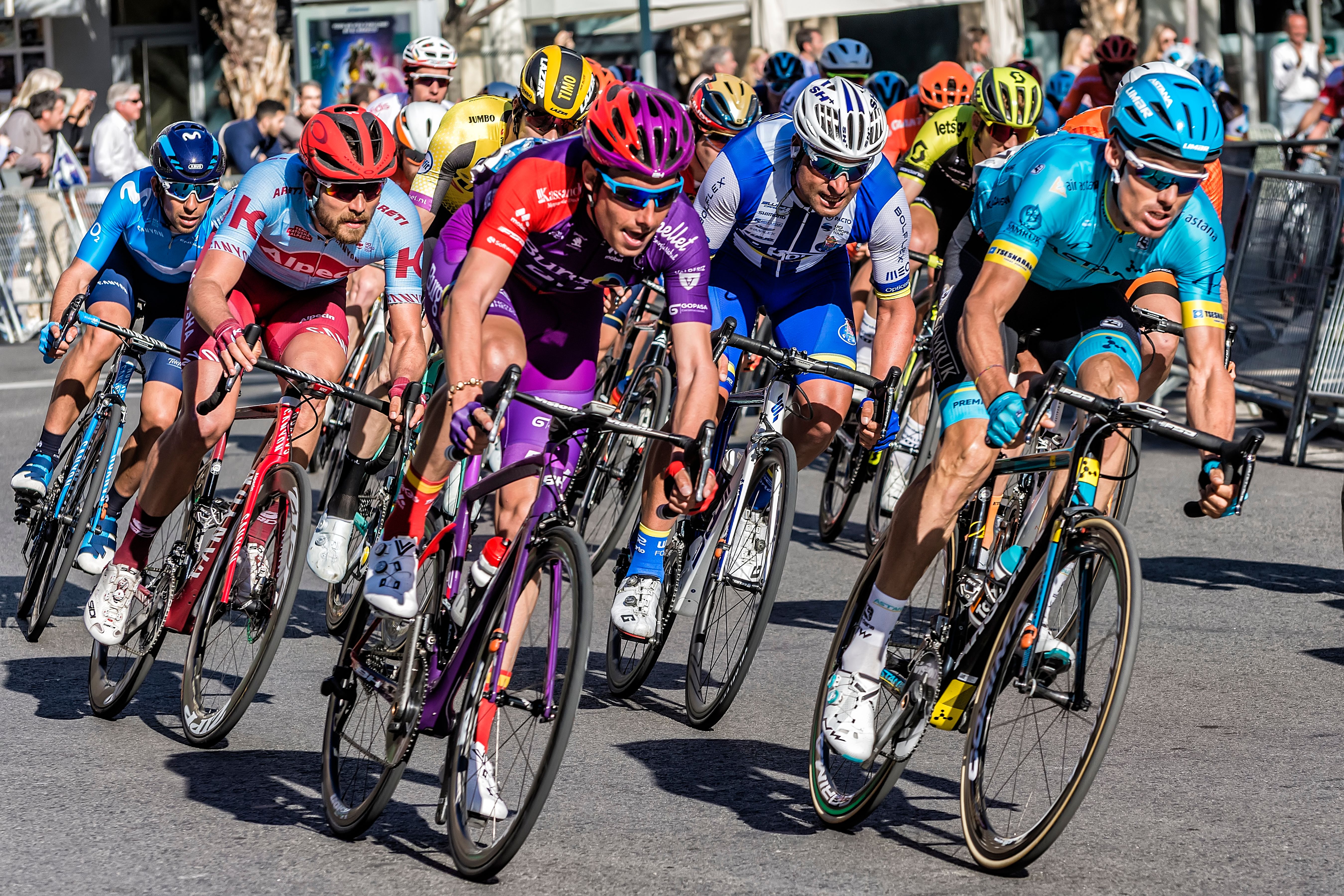
The cycling world has been dealt a significant blow with the news that Tadej Pogacar will miss the remainder of the season following a crash at the Vuelta a España. For a rider who has spent the year establishing himself as the sport's most dominant force, this injury represents a cruel twist of fate that will reshape the final months of professional cycling's calendar.
Pogacar's 2026 season has been nothing short of extraordinary until this point. The Slovenian champion has demonstrated a level of supremacy that has left rivals struggling in his wake. His combination of explosive power, tactical intelligence, and mental fortitude has proven almost impossible to counter, and his victories have accumulated with remarkable consistency. The prospect of him challenging at the Vuelta represented a thrilling prospect for the sport's fans, with the opportunity to witness genuine racing brilliance at the Grand Tour's conclusion.
Now that opportunity has been snatched away. A crash at the Vuelta, the sport's final Grand Tour of the season, has forced Pogacar into premature retirement from competition. The exact nature and severity of his injuries remain concerning, but the decision to sit out the remainder of the season speaks volumes about the seriousness of the incident.
For cycling's competitive landscape, Pogacar's absence fundamentally changes the Vuelta narrative. Without him, the race becomes more open, more unpredictable, and genuinely contested by rivals who now have a genuine opportunity to claim victory. Teams that entered the Vuelta with secondary ambitions may now see pathways to success that seemed closed while Pogacar remained a factor.
The broader implications extend beyond this single race. Pogacar's absence from autumn competitions removes the sport's dominant presence from races that have often become processions of his dominance. Challengers who have spent months in his shadow now face a sudden rebalancing of power. Some will relish the opportunity; others may struggle to adapt to an environment where Pogacar's omnipotent presence is no longer driving the race.
Pogacar will now face a winter of recovery and rehabilitation, with his focus shifting entirely to ensuring he returns to full fitness for the 2027 season. The question of whether this injury will have any lasting impact on his capabilities remains to be seen. For now, however, cycling must adapt to racing without its most compelling force, and the sport's final chapter of 2026 will be written by those fortunate enough to inherit his absence.