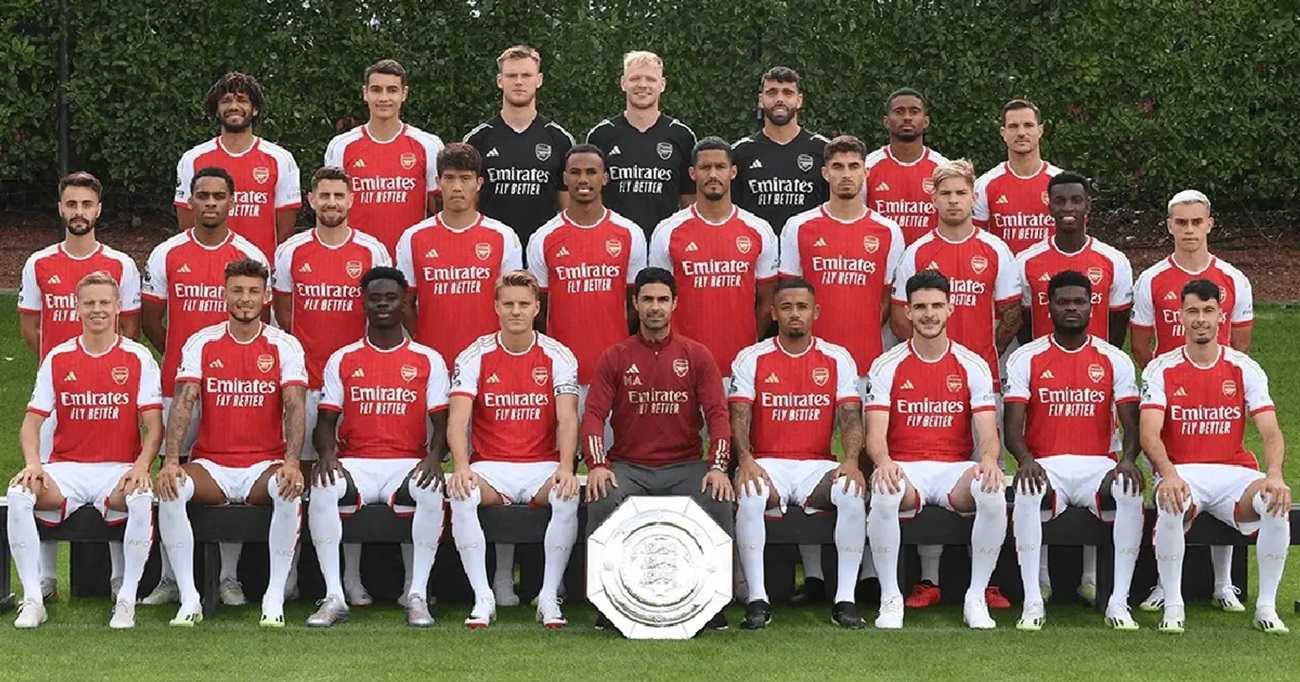
The Netherlands' World Cup preparations have suffered a significant setback with the news that Jurriën Timber will miss the tournament through injury. The Arsenal left-back's absence represents far more than losing a single player—it exposes fundamental vulnerabilities in the Dutch defensive framework heading into the competition.
Timber had been pencilled in as a cornerstone of the Netherlands' backline, combining defensive solidity with the kind of modern fullback contributions that contemporary international football demands. His ability to contribute in build-up play, his positional intelligence, and his physical capabilities made him integral to the team's setup. Now, Dutch coaches face difficult questions about how to restructure their defensive approach.
The timing couldn't be worse. With the World Cup just weeks away, there's minimal opportunity for alternative defensive systems to be properly rehearsed and embedded. While international managers often carry backup plans, the loss of a key tactical component forces hasty adjustments that rarely prove satisfactory.
Looking at the Netherlands' available alternatives, several options present different risk profiles. Whether they turn to a more defensive-minded fullback, adjust their formation entirely, or promote younger players untested at this level, each choice carries tactical implications. The fluidity that characterizes modern Dutch football—built on positional interchangeability and active defending—requires players comfortable in possession and capable of pressing high. Finding that combination in Timber's replacement won't be straightforward.
Want AI-Powered Match Predictions?
Get daily tips, AI accumulators and bankroll advice from SportCast.
🚀 Join SportCast VIPThis injury also highlights the fragility of World Cup preparations. Injuries to key personnel can fundamentally alter tournament trajectories, and the Netherlands' options for recovery are limited. Unlike domestic seasons where injuries can be managed through tactical evolution, the compressed World Cup schedule offers no margin for error.
The Dutch camp will be analyzing footage of backup options, considering structural modifications, and probably losing some sleep over the problem. From a competitive standpoint, their World Cup odds may have shifted, and opposing teams will certainly be noting this vulnerability.
History shows that defensive solidity often determines World Cup success more than attacking flair. The Netherlands, traditionally strong at the back, now enter the tournament with questions marks in their defensive structure. How they respond to Timber's absence—whether with tactical innovation or individual brilliance from alternatives—could very well determine how far they advance in 2026.