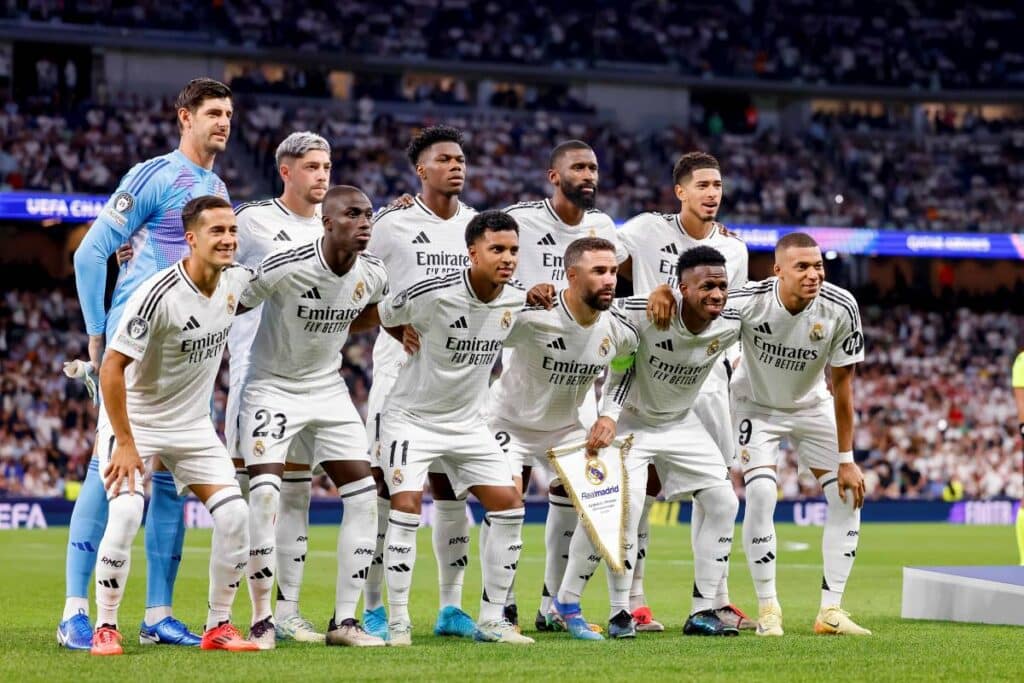
The football world has been sent into overdrive with the announcement that José Mourinho is returning to Real Madrid. After a decade away from the Bernabéu, where he left a legacy of silverware and controversy in equal measure, the 61-year-old tactician has agreed a three-year contract to take charge of Los Blancos. This move represents far more than a simple managerial appointment—it's a statement of intent from Real Madrid and a redemption arc for one of football's most polarizing figures.
Mourinho's first spell at Madrid between 2010 and 2013 was marked by unprecedented success, delivering La Liga title number 32 to the club during a period when Barcelona's Messi-dominated side seemed invincible. He won 121 of his 191 matches, establishing a winning mentality that many argue laid the foundation for the club's subsequent Champions League dominance under other managers. Yet he also left amid tension, with his abrasive style eventually wearing thin in the Spanish capital.
The timing of this return is fascinating. Real Madrid, despite remaining football's most valuable club, has shown signs of vulnerability in recent campaigns. The need for a defensive overhaul and tactical reinvigoration presents exactly the kind of challenge Mourinho thrives upon. His appointment replaces Carlo Ancelotti, the calm, measured presence who steadied the ship but may have lacked the ruthlessness required for another renaissance.
What makes this comeback particularly compelling is Mourinho's recent form. His tenure at AS Roma demonstrated that the old magician still possessed considerable powers, taking the Italian club to a European Conference League triumph—a trophy many dismissed at the season's outset. He proved he could still extract maximum value from resources, build team cohesion, and most importantly, win silverware when it mattered.
The challenge awaiting Mourinho is substantial. Real Madrid's squad requires significant investment and restructuring. The defense needs rebuilding, the midfield requires rejuvenation, and the club must navigate a fixture list that never stops. Critics will point to his advanced years and suggest this is a last hurrah, but Mourinho has never been one to accept limitations. His psychological edge, tactical nous, and ability to unite a dressing room around a singular objective remain intact.
For Real Madrid supporters, this represents a return to a more combative, aggressive brand of football. Mourinho's teams bite, they compete, and they believe they will win every match. After seasons of measured excellence under Ancelotti, this shift in mentality could be exactly what the Bernabéu craves. The question now becomes not whether Mourinho can still manage at the highest level, but whether he can deliver the trophies that Real Madrid inevitably demands. Given his track record, few would bet against him.