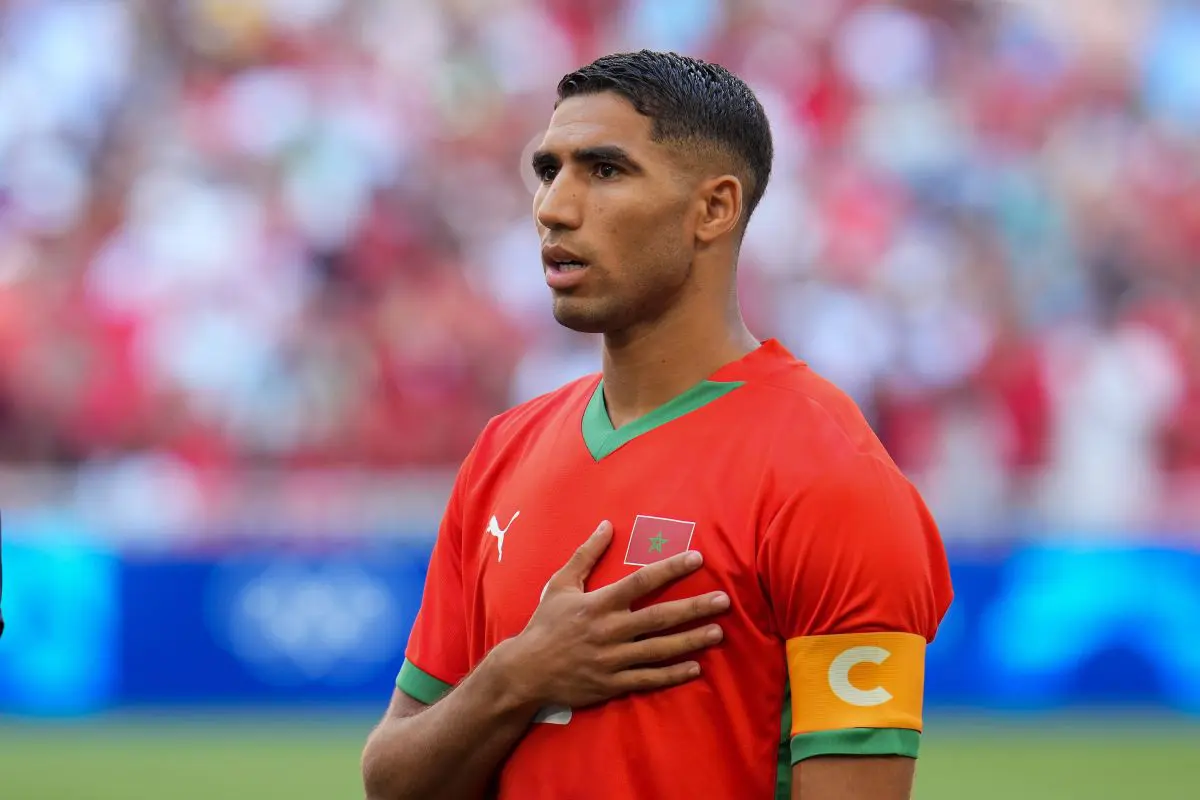
The football world has been rocked by news that Achraf Hakimi, one of Morocco's most influential players and captain during their World Cup campaign, is set to face trial on rape charges. The Paris Saint-Germain defender's legal troubles represent a seismic moment for Moroccan football and raise uncomfortable questions about the sport's willingness to address serious allegations involving high-profile stars.
Hakimi has been a cornerstone of Morocco's recent success on the international stage. The 27-year-old's defensive prowess, athleticism, and leadership qualities have made him indispensable to his national team's setup. His presence at right-back has been central to Morocco's tactical approach, and his absence or distraction could significantly impact their World Cup performance and beyond.
The timing couldn't be more damaging for the Moroccan Football Federation. With the tournament providing a global platform, the federation now faces intense scrutiny both domestically and internationally. Questions will inevitably arise about team morale, whether Hakimi will be selected for upcoming fixtures, and how other players will respond to developments off the pitch affecting their captain.
From a broader perspective, this case highlights an ongoing tension in modern football between the sport's commitment to diversity and inclusion versus accountability for serious criminal allegations. High-profile players have increasingly faced legal challenges in recent years, but few have occupied as central a role in their national team's current setup. The contrast between Hakimi's status as an elite athlete and these grave allegations adds another layer of complexity.
Want AI-Powered Match Predictions?
Get daily tips, AI accumulators and bankroll advice from SportCast.
🚀 Join SportCast VIPMorocco will need to navigate this situation with extreme care. Removing a captain mid-tournament risks destabilizing the squad, but fielding a player facing trial invites criticism from human rights organizations and risks alienating sponsors and broadcasters. The federation's decision-making in the coming weeks will be scrutinized relentlessly.
For Hakimi himself, the legal process will be lengthy and uncertain. His professional career, endorsement deals, and mental wellbeing are all now in question. PSG may face pressure from various stakeholders regarding his future at the club, adding another dimension to what is clearly a deeply serious situation.
The Morocco captain's case serves as a stark reminder that even the world's greatest football stages cannot shield players from accountability. As the tournament progresses, all eyes will remain on how both the player and the Moroccan Federation handle this unprecedented challenge.