In a dramatic turn of events that will reshape Italian football's immediate future, Roberto Mancini has been confirmed as the new head coach of the national team. The appointment comes after a turbulent fortnight that saw the football federation engulfed in controversy following the controversial tenure of Andrea Pirlo, which left fans, officials, and players questioning the direction of one of Europe's most storied footballing nations.
The decision to bring Mancini back represents a clear statement of intent from Italian football authorities. His track record speaks volumes—the former Manchester City manager guided Italy to the 2020 European Championship with a blend of tactical sophistication and inspiring leadership that captured the hearts of the nation. After a disappointing exit in the World Cup qualifiers, the federation determined that Mancini's proven ability to elevate teams and deliver under pressure made him the ideal candidate to restore stability.
What makes Mancini's reappointment particularly significant is the context surrounding it. The Pirlo experiment, while intriguing on paper given the legendary midfielder's tactical credentials, ultimately proved destabilising. The 16-day crisis that engulfed Italian football exposed deep structural issues within the federation and raised serious questions about succession planning and the management of the national team. Players were reportedly unsure of their futures, tactical systems seemed confused, and the cohesion that had characterised Italy's Euro 2020 triumph had evaporated entirely.
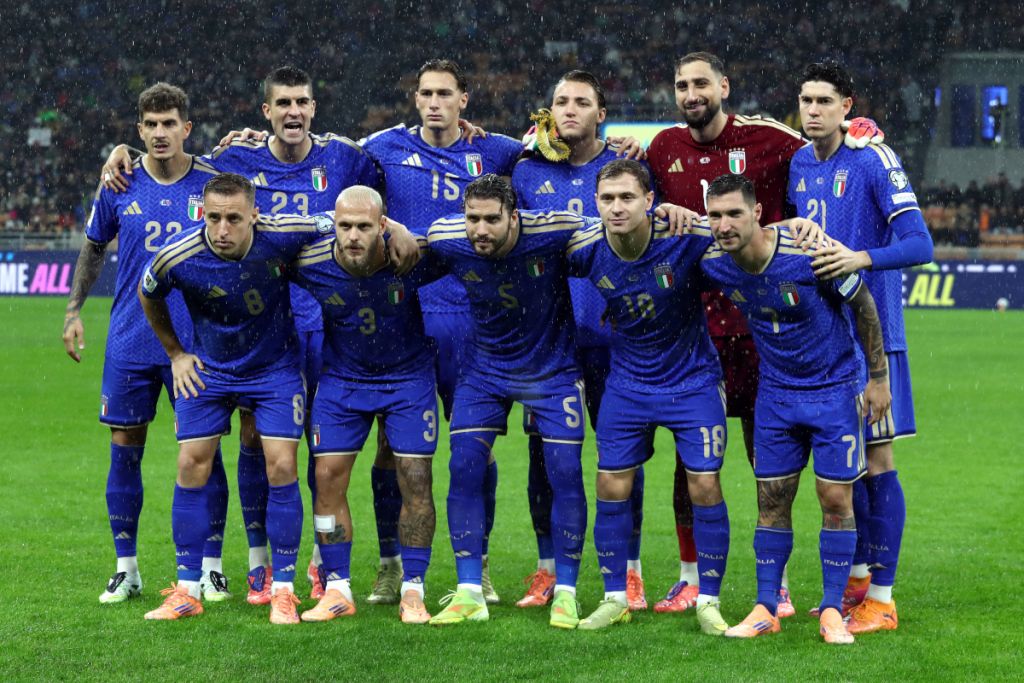
Mancini arrives with a clear mandate to reset and rebuild. He inherits a squad brimming with talent but lacking direction—players like Marco Verratti, Alessandro Bastoni, and a emerging generation of attackers who need leadership and clarity. The manager's first challenge will be instilling confidence after the recent turbulence. His experience at Manchester City, where he developed young talents and maintained a winning mentality, will be crucial in restructuring Italy's approach.
The international calendar offers little respite. With Euro 2028 qualifying set to intensify and the Euros themselves approaching, Mancini must quickly establish his tactical identity and rebuild team morale. His appointment signals that Italian football is choosing experience and proven success over experimental approaches—a pragmatic decision that reflects the federation's desire to stabilise the ship.
Experts believe Mancini's return could reinvigorate the Azzurri's World Cup ambitions and restore their status as genuine contenders. His ability to forge a unified playing philosophy and extract maximum performance from his squad will be tested immediately. The coming months will determine whether this reappointment marks the beginning of Italy's resurgence or merely a temporary pause in a broader decline.