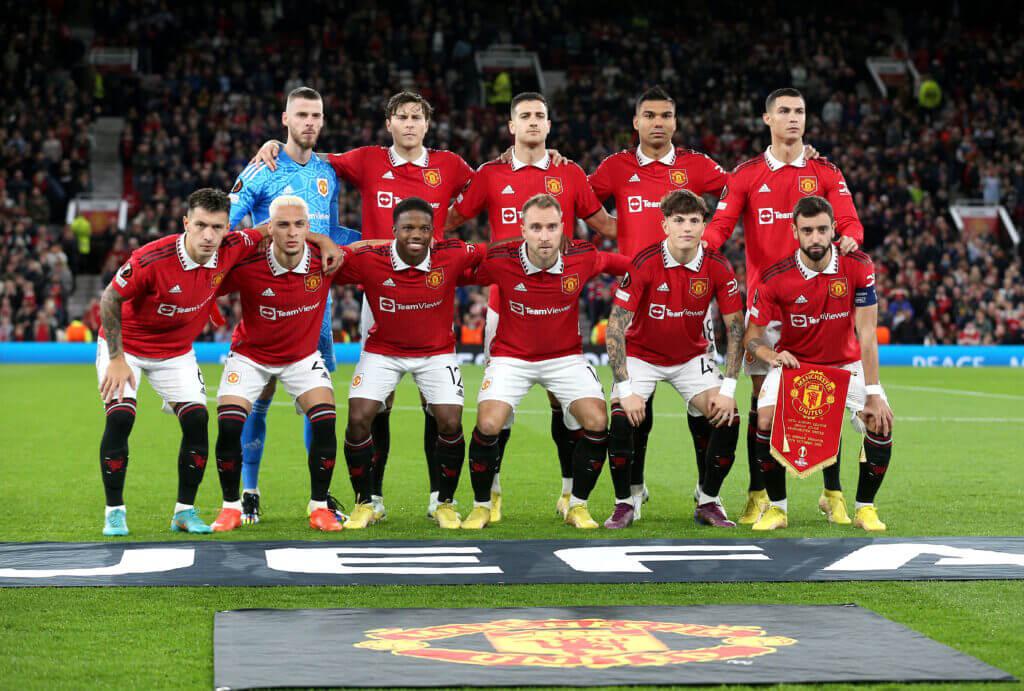
Manchester United's financial situation has reached a critical juncture. The club continues to operate under a mountainous £1 billion debt burden, yet recent figures reveal that £63.5 million has been allocated towards new stadium infrastructure. This paradox underscores a fundamental tension at Old Trafford between maintaining competitiveness on the pitch and addressing the structural financial problems that have accumulated over years of mismanagement.
The debt figures paint a grim picture for a club that once epitomized financial stability under Sir Alex Ferguson. Years of underwhelming commercial returns, expensive underperforming player sales, and bloated wage bills have conspired to create the current predicament. While the stadium project itself carries merit—modernization is essential for any Premier League institution—the timing raises eyebrows among financial analysts and supporters alike.
What makes this situation particularly precarious is the opportunity cost involved. Every pound committed to stadium bricks and mortar is a pound not available for squad reinforcement or debt reduction. United's rivals have been ruthlessly efficient in the transfer market, yet the Red Devils find themselves constrained by their balance sheet. This winter transfer window will be telling; without significant investment in key areas, the team's competitive aspirations could suffer considerably.
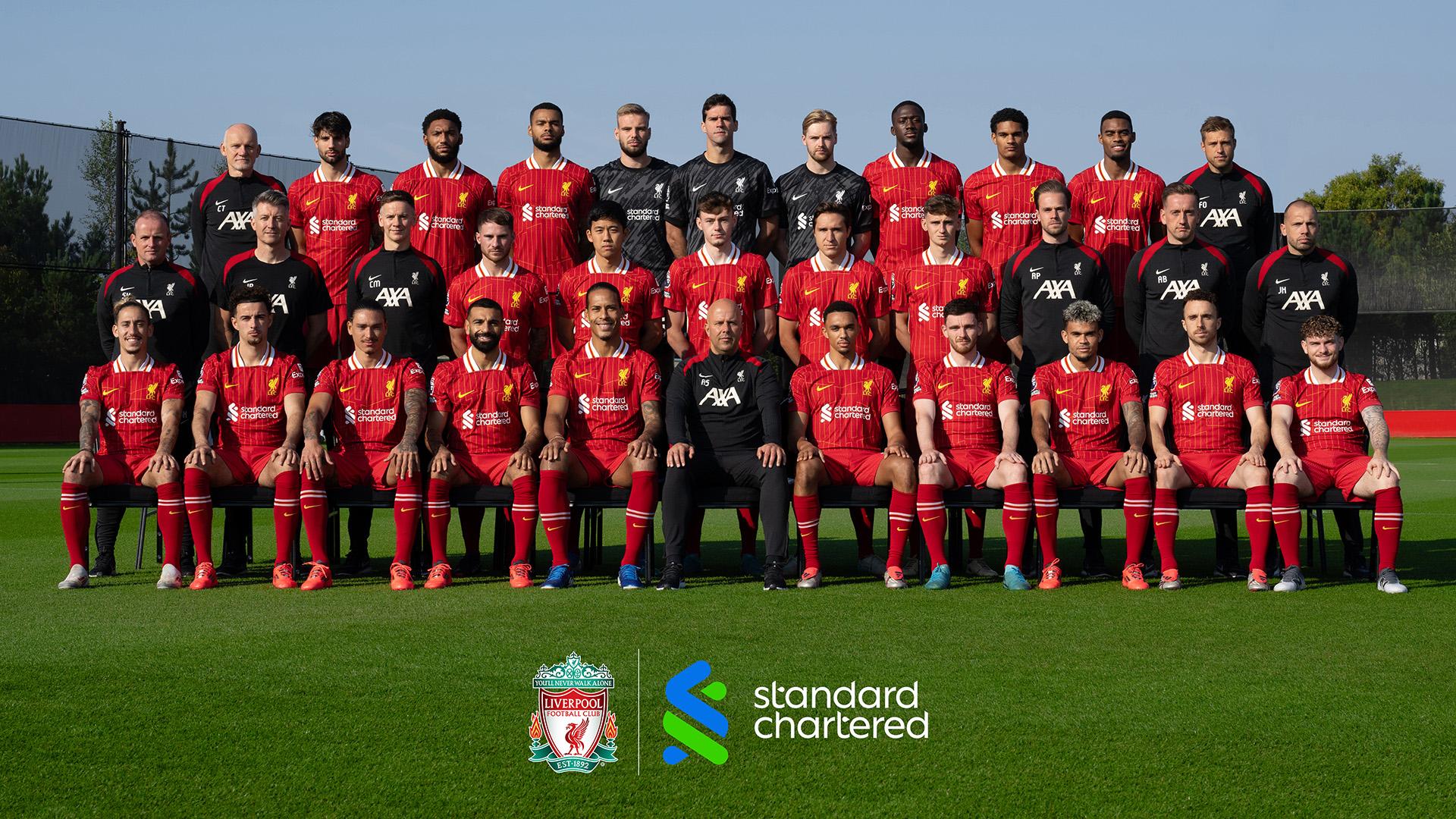
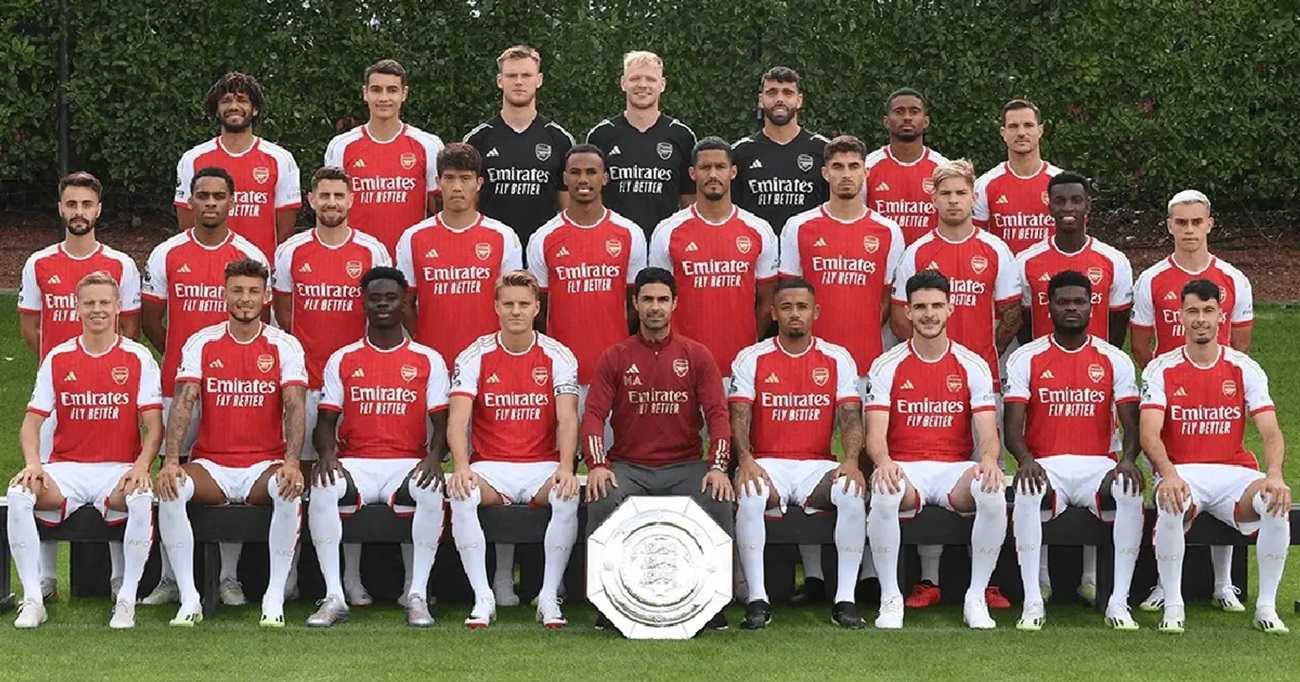
Industry experts suggest that United's ownership structure and governance have failed to implement adequate financial controls. The club's inability to generate sufficient revenue growth compared to peers like Manchester City, Liverpool, and Newcastle represents a strategic failure at boardroom level. While the new stadium investment might eventually generate increased matchday revenues, the immediate impact is negligible.
Want AI-Powered Match Predictions?
Get daily tips, AI accumulators and bankroll advice from SportCast.
🚀 Join SportCast VIPThe ripple effects extend beyond the pitch. Potential sponsorship and commercial partners assess clubs holistically; a £1 billion debt hanging over United's head undermines negotiating positions and confidence in the organization's direction. Players considering moves to Old Trafford weigh not just wages but the club's trajectory and credibility.
Management must navigate an incredibly narrow path forward. They cannot ignore stadium modernization indefinitely—rivals are investing heavily in infrastructure—yet they cannot afford to deprioritize debt reduction either. The solution likely requires aggressive commercial growth, improved player trading efficiency, and potentially difficult conversations about wage expenditure ceilings.
This situation represents a defining moment for United's hierarchy. The decisions made in the coming 12-24 months will determine whether the club emerges as a genuine challenger to City and Liverpool, or continues its slow drift towards mediocrity. The £63.5 million stadium investment might prove visionary, but only if accompanied by simultaneous progress on the debt front.