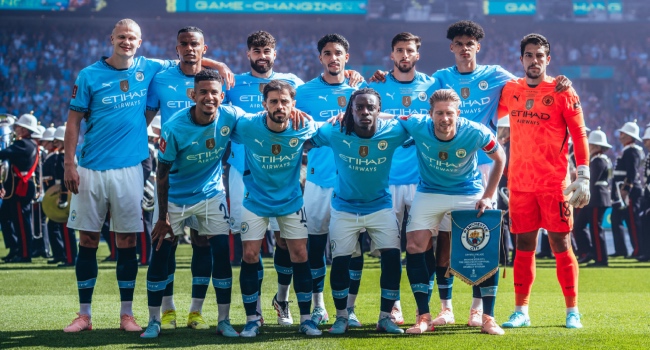
Manchester City's decision to invest £86 million in an 18-year-old prospect represents a significant shift in the club's transfer strategy and offers fascinating insight into Pep Guardiola's long-term vision. While City have always been prepared to spend lavishly, this deal carries particular weight given its focus on a player still establishing himself at the highest level.
Bouaddi has impressed observers with his technical ability, athleticism, and potential across multiple competitions. The teenager possesses attributes that align perfectly with Guardiola's demanding requirements, suggesting extensive scouting and analysis preceded this investment. At eighteen, he represents a blank canvas that Guardiola can mold according to his specific philosophies and tactical demands.
What does this acquisition reveal about City's broader strategy? First, it demonstrates the club's recognition that their current squad, while formidable, requires rejuvenation. Players like Haaland and Rodri remain in their prime, but the need to build toward the future has become evident. Bouaddi arrives as part of this succession planning rather than an immediate replacement.
Second, the deal reflects City's confidence in their ability to develop young talent within a world-class environment. The club's infrastructure, coaching staff, and competitive structure provide an ideal setting for a teenager to flourish. Guardiola's track record of elevating young players, combined with City's resources, makes this an attractive proposition for ambitious youth prospects.
The financial commitment is substantial, but City's multi-club ownership model provides flexibility that few competitors possess. Investment in a promising young player can be recouped through profitable moves between sister clubs if circumstances change, providing a financial buffer unavailable to traditionally structured organizations.
Want AI-Powered Match Predictions?
Get daily tips, AI accumulators and bankroll advice from SportCast.
🚀 Join SportCast VIPHowever, significant risks accompany this outlay. Transferring an eighteen-year-old for such an enormous fee creates immense pressure and expectations. Youth development rarely follows linear paths, and injuries, loss of form, or failure to adapt can render such investments unproductive. Bouaddi must navigate the enormous responsibility of justifying such expenditure while continuing his natural development.
Guardiola will undoubtedly manage this situation carefully, potentially limiting Bouaddi's immediate exposure while allowing gradual integration into first-team environments. Loan spells to less demanding competitions could provide valuable experience without the pressure of immediate Premier League demands.
As transfer windows evolve, City's willingness to invest heavily in youth signals confidence in their developmental model. Whether Bouaddi becomes a generational talent or joins the list of expensive young acquisitions who failed to fulfill potential will become apparent only with time. For now, City's ambition sends a clear message to competitors: they are thinking years ahead, building foundations for sustained dominance.