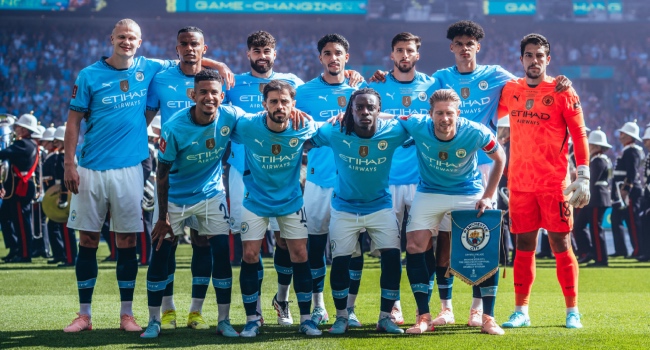
The Premier League's guilty verdict against Manchester City represents a watershed moment for English football. After months of investigation into alleged financial rule breaches spanning over a decade, the governing body has confirmed what many suspected: City operated outside the lines through sham contracts and misleading financial accounts. The implications are staggering, not just for the reigning champions but for the entire competition's integrity.
What makes this ruling so significant is the sheer scale of the alleged misconduct. City stands accused of 115 breaches dating back to 2009, with accusations focusing on how the club disguised sponsorship deals and player payments to circumvent financial fair play regulations. Rather than genuine partnerships with legitimate sponsors, the club allegedly inflated valuations through related-party transactions—essentially moving money between entities to mask real spending. This allowed City to appear compliant with spending caps while in reality operating with virtually unlimited resources under the stewardship of the Abu Dhabi United Group.
The ramifications extend far beyond Etihad Stadium. If City's dominance over the past decade was built on financial deception, then dozens of Premier League titles, FA Cups, and Champions League trophies won during this period hang under a cloud of legitimacy. Wayne Rooney's recent comments that Manchester United "do not deserve" City's titles reflect a growing sense that competitive fairness has been fundamentally compromised. Supporters across the country, including Stoke City fans demanding clarity on their FA Cup final loss, are asking uncomfortable questions about whether the past fifteen years of English football have been played on a level field.
The CEO's defiant stance—refusing to answer questions despite the guilty verdict—suggests City will fight vigorously through appeals. This could drag on for years, creating unprecedented uncertainty. However, the Premier League has already signaled potential consequences including points deductions, transfer bans, and substantial fines. A significant points deduction could strip City of titles or force them out of European competition, while a transfer ban would cripple their ability to replace aging stars like Kyle Walker.
What happens next will define modern football. Will the Premier League impose punishments severe enough to deter similar behavior from wealthy ownership groups? Will other clubs face similar investigations? And perhaps most importantly, how do we restore faith in the competition's integrity?
The City scandal has already forced a reckoning about how football is governed. The 'four what next scenarios' being debated across the sport range from relatively lenient penalties to complete stripping of titles and wholesale sanctions. One thing is certain: English football will never quite look the same again. The question now is whether justice will be served or if wealth will once again protect the guilty.
