Stan Kroenke's insight into how Covid inadvertently served as a catalyst for Arsenal's transformation provides crucial context for understanding the club's meteoric rise. The Arsenal owner's comments suggest that sometimes the most damaging disruptions can create unexpected opportunities for institutional reset. For Arsenal, the pandemic proved to be exactly that.
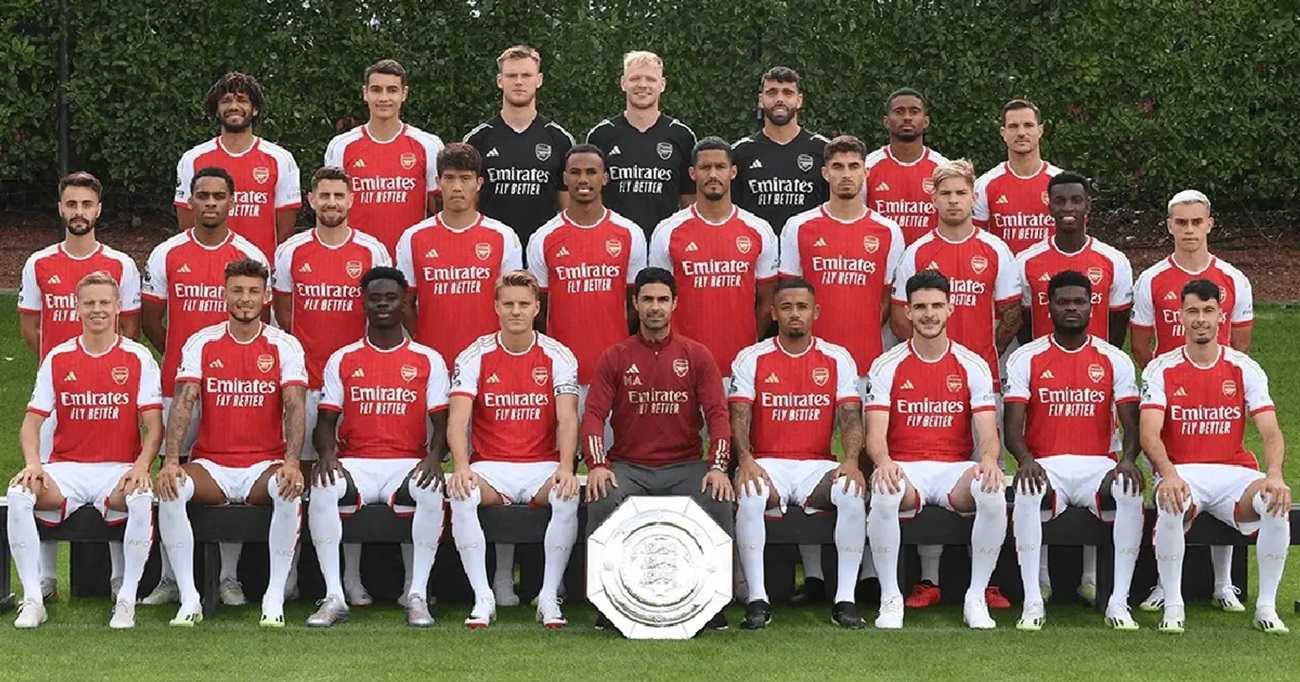
When Mikel Arteta arrived at Arsenal in December 2019, he inherited a club in crisis. The team was fragmented, the fanbase fractured, and expectations had corroded into cynicism. The traditional pressures of managing one of England's biggest clubs threatened to overwhelm any manager attempting wholesale change. Then Covid arrived, and the football world paused.
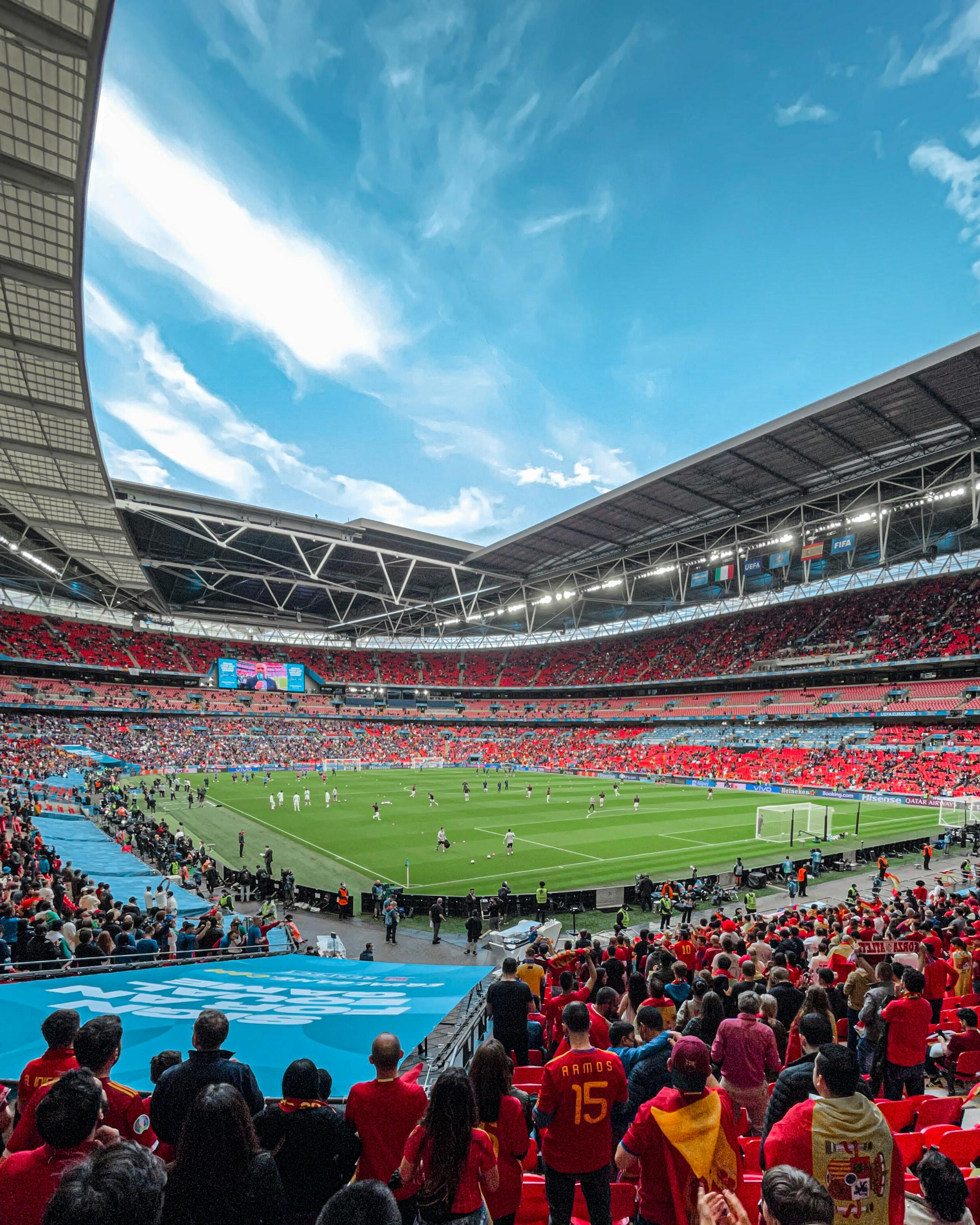
Kroenke's observation that the pandemic gave Arteta space to revive the club is profound because it acknowledges what many missed at the time: sometimes you need external circumstances to grant you permission to be different. When matches were behind closed doors, when the usual matchday intensity was muted, when commercial and media pressures temporarily receded, Arteta had room to experiment, to rebuild, to instill new principles without the constant scrutiny that normally accompanies every decision at a major club.
The practical implications were significant. Youth integration became easier when not every mistake was analyzed in front of 60,000 screaming fans. Tactical adjustments could be implemented over time rather than under the gun of immediate demands for results. The squad could be rebuilt methodically rather than reactively. Arteta didn't have to justify every personnel decision in the court of public opinion every single week.
Want AI-Powered Match Predictions?
Get daily tips, AI accumulators and bankroll advice from SportCast.
🚀 Join SportCast VIPThis context matters enormously when assessing Arsenal's current position. The club didn't simply stumble into contention through lucky transfers or fortunate fixtures. Instead, they benefited from a once-in-a-generation disruption that allowed their manager the space to implement a coherent vision. That vision has now crystallized into a team capable of competing at the highest European level.
Of course, Arteta still had to execute brilliantly once normal circumstances resumed. The tactical acumen, the ability to develop young talent, the strategic acquisitions—these were all on the manager and his staff. But Kroenke's comment reminds us that even genius requires favorable conditions. The pandemic created those conditions for Arsenal when they needed them most.
The broader lesson extends beyond Arsenal. Institutions sometimes need disruption to force genuine change. The status quo is remarkably resilient, and pressure to maintain it can strangle innovation. When external events force everyone to pause and reconsider, that's when transformational change becomes possible. Arsenal seized that moment, and now they're reaping the rewards on Europe's biggest stages. Few clubs will get such an opportunity again, which makes their execution of it all the more impressive.