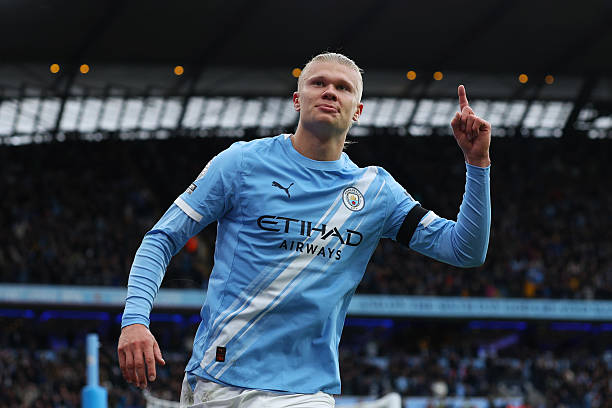
When Erling Haaland steps onto a football pitch, defenders know exactly what is coming: a relentless hunt for goals. At the 2026 World Cup, the Norwegian striker is proving once again why he has become one of the most feared strikers in world football. His second double of the tournament demonstrates a ruthless efficiency in the penalty area that few players can match. While other forwards labour to create chances, Haaland simply waits and punishes any mistake with clinical precision.
What sets Haaland apart from other world-class strikers is his combination of physical attributes and football intelligence. He is not just a poacher waiting in the box, he is a complete forward who understands spacing, positioning, and when to make his run. His doubles at the World Cup have not come from fortunate bounces or defensive errors, they have come from intelligent movement and lethal finishing. This is a player who makes goalscoring look almost mechanical in its precision.
For Manchester City and Pep Guardiola, watching Haaland perform at this level must be immensely satisfying. They invested heavily in the young Norwegian, and he has repaid that faith with performances that continue to elevate his standing in world football. At just 26 years old, he still has his entire career ahead of him. If he maintains this trajectory, he could well end up amongst the all-time greats of the sport.
The impact of Haaland's form extends beyond just his team. His ability to finish chances with such conviction puts immense pressure on defences. Opponents know they cannot afford defensive sloppiness against his side because he will make them pay. This knowledge affects how teams approach their games, forcing them to be more disciplined and organised in their defensive shape.
Norway's success in the tournament has been intertwined with Haaland's performances. A nation with a relatively small pool of footballing talent has produced one of the world's most prolific strikers, something that reflects both his individual talent and the quality of coaching and development in Norwegian football. His success on the world stage brings attention and investment to his home country's game.
Looking forward to the knockout stages, Haaland will undoubtedly be a central focus of opposing teams' defensive plans. Teams will likely use a combination of tight marking and physical play to disrupt his rhythm. But if his performances so far are any indication, these tactics may prove ineffective against a player operating at such a high level. When strikers are in this kind of form, they are almost unstoppable.