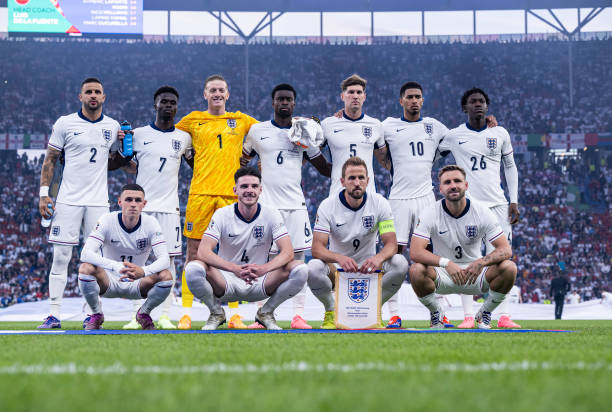
England have booked their place in the last 32 of the 2026 World Cup as group winners, but the path to glory is anything but assured, with manager Thomas Tuchel issuing a stark warning that the team will not win the tournament unless they substantially raise their performance level.
The Three Lions secured top spot in their group with a laboured victory over Panama, with Harry Kane adding to his World Cup goalscoring record and Jude Bellingham continuing his emergence as a key tactical asset. Yet beneath the surface of qualification lay uncomfortable truths about England's current state as a tournament contender. Tuchel's candid assessment suggests the German manager sees significant work ahead.
For England, the knockout stages represent the true test. Group victories are merely the entry fee; the tournament is won and lost when knockout football demands perfection, composure, and a level of cohesion that England has struggled to achieve in recent years. Bellingham's emergence under Tuchel has been a bright spot—the 22-year-old has already become integral to the team's attacking play, demonstrating a maturity and footballing intelligence beyond his years. Yet individual brilliance rarely translates to silverware without team organisation.
The draw against DR Congo presents an opportunity for England to build momentum, but it also comes with pressure. The knockout format leaves no room for the sort of unconvincing performances that saw England labour to victory against Panama. Tuchel will be acutely aware that tournament history is littered with group winners who faltered when the pressure intensified.
Want AI-Powered Match Predictions?
Get daily tips, AI accumulators and bankroll advice from SportCast.
🚀 Join SportCast VIPEngland's path through the knockouts remains relatively favourable on paper, with no obvious heavyweight opponents in their immediate path. However, Tuchel's concerns about the team's defensive stability and overall cohesion cannot be ignored. The manager has highlighted issues with the right-back position and questions about how the back four functions as a unit—concerns that could prove fatal against more clinical opponents in knockout football.
Kane's continued scoring prowess provides hope that England possess the attacking quality to trouble any defence, but attacking alone does not win World Cups. Tournament football demands balance, discipline, and the ability to control games rather than simply win them. England's group-stage performances suggest work remains to achieve that standard.
As the tournament transitions into its knockout phase, all eyes will be on whether Tuchel can implement the improvements he has publicly demanded. The manager's reputation as a tactical innovator and winner will be tested over the coming weeks. For England fans, the familiar cycle continues—hope tempered by realistic concerns about whether this generation can finally deliver on the promise of talent and potential that has defined the post-2016 era.