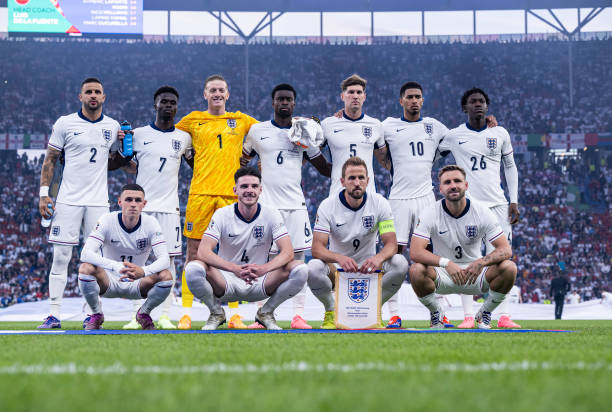
Thomas Tuchel arrived at England with a mandate to deliver on the world stage, armed with one of the planet's most talented squads and limitless financial backing from the Football Association. Instead, his World Cup campaign has begun with a goalless draw against Ghana that, despite his post-match diplomatic language, exposed fundamental vulnerabilities in his squad's preparation and tactical setup.
The Ghana match represented everything Tuchel and England's supporters feared from a group stage encounter. Against an opponent ranked significantly lower, England should have dominated possession, created meaningful chances, and converted opportunities into goals. Instead, they labored, struggled to break down organized defending, and looked occasionally vulnerable at the back—a concerning trait for any team harbouring World Cup ambitions.
What makes this result particularly troubling is the context surrounding it. Tuchel has had months to implement his vision, to build team cohesion, and to prepare tactical gameplan for exactly this scenario. Yet England appeared unprepared, lacking fluidity in their attacking play and uncertain in how to dismantle a well-organized defensive shape. The absence of convincing attacking patterns raised questions about whether Tuchel's system has genuinely enhanced England's effectiveness or merely maintained the status quo.
The defensive frailties were equally concerning. Harry Maguire and his centre-back partner were tested repeatedly by Ghana's attack, with some anxious moments creating genuine penalty shout incidents that sparked heated debate. If England cannot comfortably control a match against Ghana, what awaits in more demanding fixtures against elite opposition later in the tournament?
Tuchel's post-match comments, while sensible and measured, revealed a coach attempting to manage expectations and control narrative around a disappointingly bland performance. Praising Ghana's defending rather than criticizing England's offensive impotence is textbook managerial psychology—but it doesn't address the underlying issues. England created fewer clear-cut chances than expected, moved the ball without purpose at times, and lacked the clinical edge required to break stubborn defensive lines.
Want AI-Powered Match Predictions?
Get daily tips, AI accumulators and bankroll advice from SportCast.
🚀 Join SportCast VIPDeclan Rice's attempts to inject positive energy afterward couldn't mask the uncomfortable truth: this England squad, for all its talent and investment, struggled fundamentally against a well-organized opponent. The draw keeps them in the tournament, certainly, but it represents a missed opportunity to build momentum and psychological advantage heading into subsequent group matches.
For Tuchel, this represents both challenge and opportunity. The challenge lies in identifying tactical adjustments to unlock England's attacking potential without exposing their defensive vulnerabilities. The opportunity emerges from having identified these issues early enough to address them before knockout football arrives.
England's World Cup campaign remains very much alive, but Ghana's stalemate delivered an unmistakable message: complacency has no place at this level, talent alone doesn't guarantee results, and even well-resourced teams must execute meticulously to overcome organized opposition. Tuchel must respond with tactical intelligence and psychological acumen.