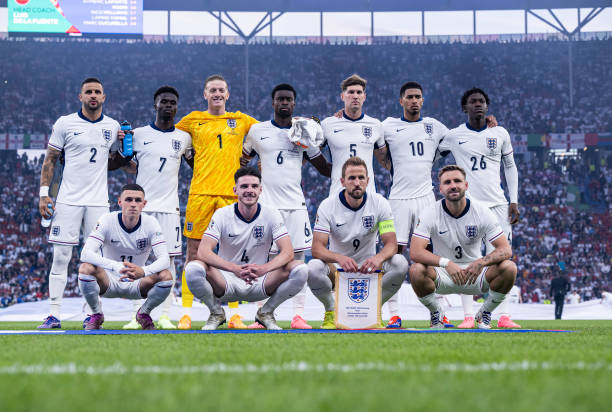
Thomas Tuchel's England project hit a sobering bump in the road on Wednesday as the Three Lions drew a frustrating blank against Ghana in a match that provided far more questions than answers heading into the World Cup's knockout phase. The goalless draw was a reality check for a squad that arrived in 2026 with considerable optimism and tactical revolution under the new manager, only to encounter a well-organized Ghana side determined to spoil the narrative.
What made this result particularly concerning wasn't just the lack of goals—it was England's inability to consistently break down committed defending despite enjoying spells of sustained possession and territory dominance. Ghana defended with discipline and discipline often suffocates chances. Yet this exposed a creative gap in Tuchel's setup that simply shouldn't exist given the attacking talent at his disposal. The debate surrounding a controversial Ghana penalty appeal only added to English frustration, though the underlying issue remains: England couldn't find their rhythm when it mattered most.
The timing couldn't be worse. With key defenders James and Rice requiring fitness assessments heading into critical knockout football, England faces a fixture congestion and injury crisis that could derail their tournament ambitions. Rice, in particular, showed positive signs during the Ghana clash despite the overall team performance, but managing his workload will be essential. The defensive axis that Southgate spent years building now requires significant regeneration, and Tuchel is learning the hard way that tactical innovation alone won't solve underlying squad depth issues.
Yet there's an important counterargument to the doom and gloom. England hasn't lost. They remain unbeaten and still control their progression destiny. Tuchel's tactical philosophy—described by observers as the direct opposite of Southgate's approach—was designed specifically to beat elite opponents in knockout football. One goalless draw shouldn't overshadow that ambition. The manager has a track record of building pragmatic, functional teams that deliver when the stakes are highest. This Ghana match might prove instructive rather than predictive.
The biggest concern is psychological rather than purely technical. English expectations have built to fever pitch, and a sterile performance against limited opposition creates narrative momentum that deflates confidence heading into tournament knockout stages where mistakes are punished ruthlessly. Tuchel must manage both tactical adjustments and media expectations in the coming days.
England's path forward remains clear: restore attacking cohesion, keep James and Rice fit and available, and channel the frustration of this Ghana result into the intensity required for knockout football. The World Cup's structure means group stage results matter less than knockout performance, but first impressions carry psychological weight that teams must overcome. England's real tournament begins now.