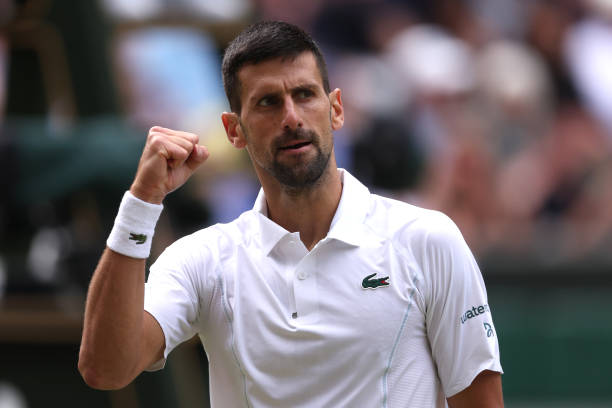
The images from Flushing Meadows will haunt Novak Djokovic far longer than most losses. An all-time great, overcome with visible emotion during his US Open exit, provided a rare glimpse of vulnerability that transcended sport. This wasn't the measured, controlled Djokovic who has dominated men's tennis for nearly two decades. This was a champion confronting an uncomfortable truth: time waits for no one, not even legends.
Djokovic has built his career on mental fortitude, on the ability to compartmentalize pain, disappointment, and doubt. His emotional threshold on court has always been remarkably high, making his breakdown all the more significant. It suggested something beyond typical frustration—perhaps the dawning realization that his window of dominance is genuinely closing, faster than even he anticipated.
At 39 years old, Djokovic remains competitive at the sport's highest level, which is remarkable. Yet competitive isn't dominant. Dominant isn't inevitable. And inevitable was what Djokovic became accustomed to over his career. Twenty-four Grand Slam titles, countless records, and an aura of invincibility defined his modern era. The expectation, built over years, was that he would simply find a way to win. Against the odds. Against younger, faster, hungrier opponents.
But Flushing Meadows exposed the reality that such miracles require increasingly extraordinary effort. Djokovic's body, his reflexes, his endurance—all the physical attributes that complemented his supreme mental game—are no longer what they once were. Four months away from competition didn't help either. Rust, even for the greatest, exists.
Want AI-Powered Match Predictions?
Get daily tips, AI accumulators and bankroll advice from SportCast.
🚀 Join SportCast VIPWhat makes this moment significant isn't merely a tournament loss. It's the psychological implications for a player whose entire identity has been constructed around winning when it matters most. The US Open is one of his domain's final bastions where his legacy still carries weight. Losing it, emotionally cracking during the process, suggests Djokovic may be entering a new and unfamiliar phase of his career: the acceptance of decline.
This is the journey all athletes face, yet it's particularly acute for someone who has dominated as completely as Djokovic has. The question now isn't whether he can win another Grand Slam—though that remains possible. It's whether his body and mind will cooperate in the moments when perfection is required. The emotional response at the US Open suggests the psychological toll is mounting, even if pride won't permit him to fully admit it.
What happens next defines his legacy. Does Djokovic continue chasing records, risking diminished returns and further emotional turmoil? Or does he gradually step into a different role in professional tennis? The answer will reveal whether his US Open breakdown was a moment of clarity or merely the first crack in a crumbling edifice.