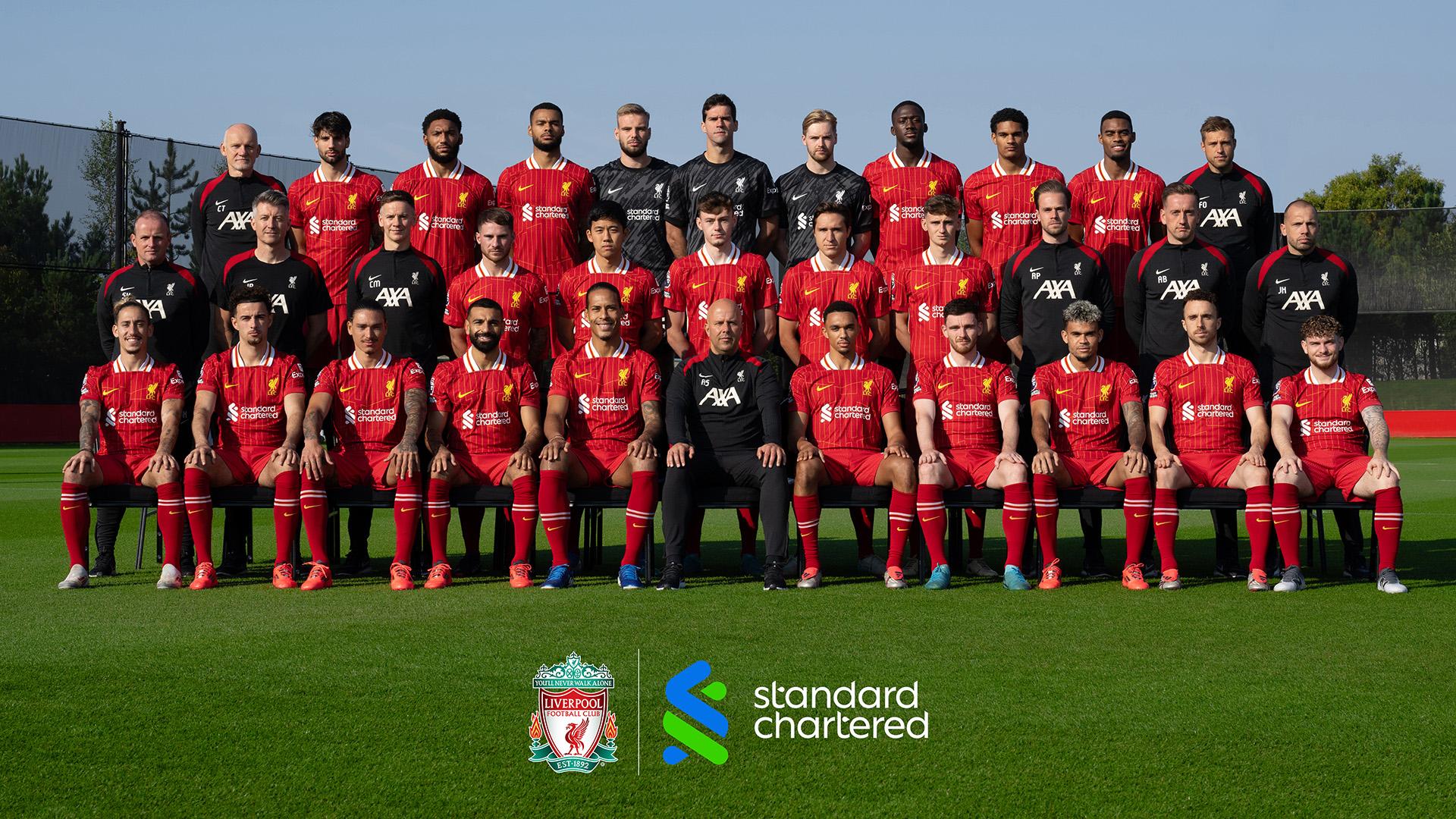
The football world has been sent into overdrive following news that a Bezos-backed consortium has successfully purchased a third of Liverpool Football Club. This is not merely a financial transaction—it represents a seismic shift in the ownership structure of one of England's most storied institutions and raises fundamental questions about the club's direction, ambitions, and the modern landscape of football investment.
For context, Liverpool has been majority-owned by Fenway Sports Group (FSG) since 2010, a period that has seen the club return to genuine competitiveness after years in the wilderness. Under FSG's stewardship, the Reds won the Premier League title in 2020, claimed the UEFA Champions League in 2019, and established themselves as consistent challengers at home and in Europe. However, there have been recurring questions about investment levels, particularly in the transfer market compared to their rivals Manchester City and Manchester United.
The entry of a Bezos-backed investment group signals that new capital is flowing into Anfield. This could fundamentally alter Liverpool's transfer strategy heading into what promises to be a competitive season. With the 2026-27 campaign looming and several key players entering the final years of their contracts, having additional financial firepower could prove decisive in maintaining title challenges and strengthening squad depth.
What makes this development particularly intriguing is the involvement of one of the world's richest individuals. Bezos, with his vast resources and track record of investing in entertainment and sports ventures, brings not just money but potentially sophisticated operational expertise. The consortium structure—rather than outright ownership—suggests a collaborative approach that respects FSG's existing stewardship while introducing new perspectives and resources.
Want AI-Powered Match Predictions?
Get daily tips, AI accumulators and bankroll advice from SportCast.
🚀 Join SportCast VIPHowever, this move is not without its complexities. Questions will inevitably arise about how three ownership entities will coordinate long-term strategy. Will there be tensions between different stakeholder groups? How will transfer committee decisions be made? These are not trivial concerns—poor governance has derailed numerous clubs with talented squads.
For Liverpool supporters, the narrative is largely positive. The club has proven it can compete at the highest level with current structures in place. Adding significant capital investment could elevate them from consistent challengers to genuine serial winners. The Bezos connection also opens intriguing possibilities around digital innovation, fan engagement, and commercial development—areas where Amazon's expertise could prove invaluable.
Looking ahead, all eyes will be on how this new ownership structure manifests on the pitch. Will Liverpool make aggressive summer moves? Will they pursue long-term infrastructure projects? The answers will emerge quickly, and they may well define the next chapter of the club's history. For a club with Liverpool's ambitions and fanbase, this Bezos-backed investment could be exactly what's needed to establish genuine dominance in the modern era.