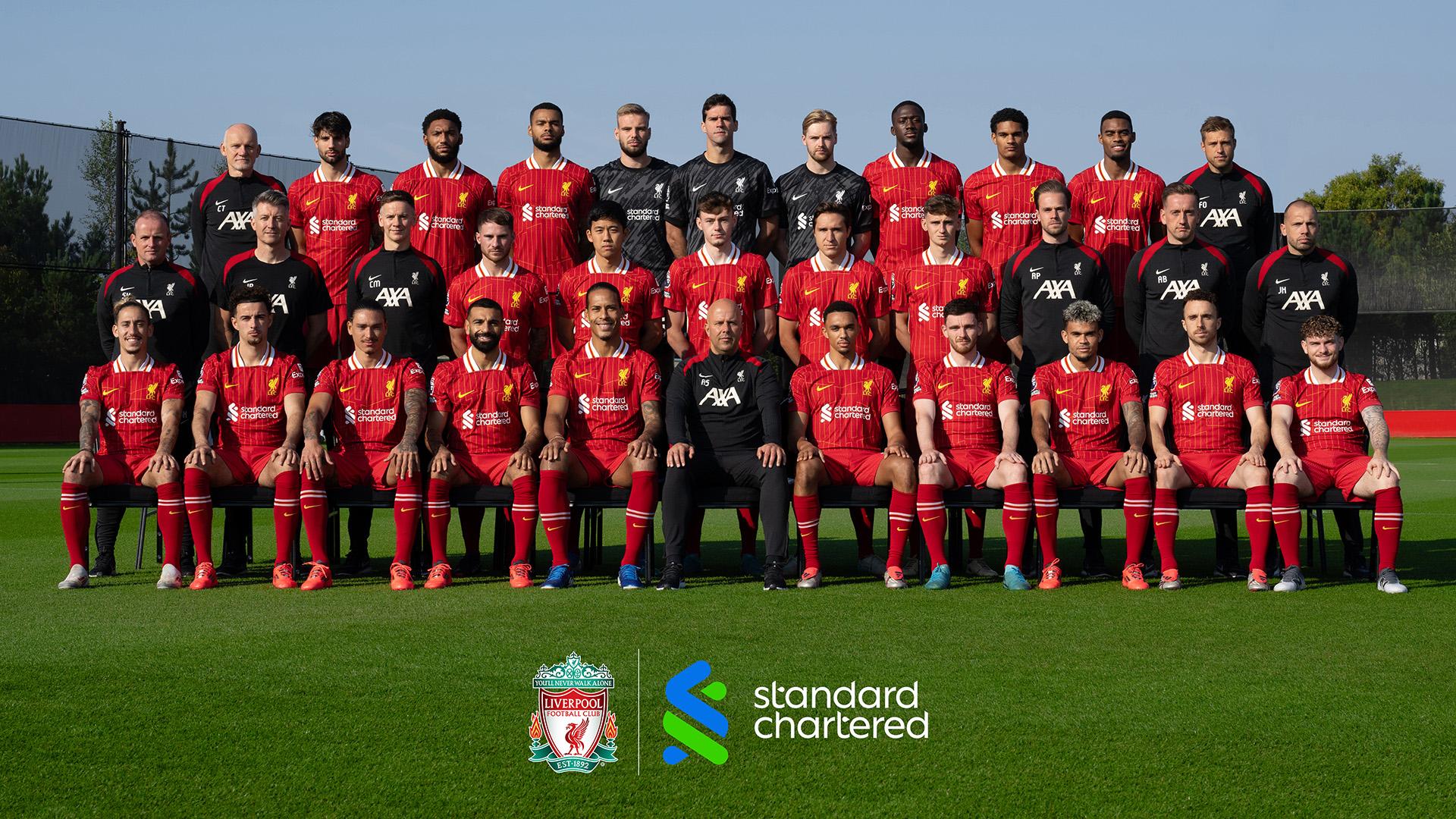
The football world is buzzing with intrigue as Jeff Bezos's consortium advances talks to acquire a significant stake in Liverpool Football Club. This development represents one of the most compelling ownership stories in modern football, with implications that extend far beyond Anfield.
Liverpool has long been a marker of prestige in global football, and the interest from one of the world's richest entrepreneurs signals the club's enduring appeal. The Reds have established themselves as a genuine force under current ownership, but the prospect of Bezos-backed investment raises fascinating questions about the club's trajectory and ambitions.
Why does this matter? Liverpool operates in a Premier League increasingly dominated by wealthy ownership structures. Manchester City's Abu Dhabi-backed consortium and Chelsea's Todd Boehly ownership have demonstrated how significant capital injection can reshape competitive hierarchies. A Bezos-led investment could accelerate Liverpool's ability to compete in the transfer market, particularly given the club's recent near-misses in securing top targets like Vinícius Jr.
The financial implications are substantial. Bezos's personal wealth of approximately $200 billion positions him as one of the few individuals capable of funding any football ambition imaginable. Combined with the infrastructure and technology expertise Amazon brings, this could revolutionise how Liverpool approaches player recruitment, data analysis, and commercial operations. The consortium's involvement suggests a long-term strategic vision rather than a quick financial flip.
From a competitive standpoint, Liverpool would join an elite tier of Premier League clubs bankrolled by mega-wealthy ownership. Current manager Arne Slot has inherited a squad with genuine quality, but the investment uncertainty could either hamper or accelerate summer transfer activity. If Bezos's group secures involvement, expect aggressive spending in attacking reinforcements—areas where the Reds have historically targeted improvements.
Want AI-Powered Match Predictions?
Get daily tips, AI accumulators and bankroll advice from SportCast.
🚀 Join SportCast VIPHowever, questions remain about governance and operational philosophy. Will Bezos and his consortium adopt a hands-on approach like some wealthy owners, or maintain a more hands-off investment stance? Liverpool's board has generally managed affairs competently, and any new ownership structure will need to balance ambition with the institutional knowledge that's served the club well.
The negotiations are advancing, but not yet concluded. This means Liverpool exists in a state of calculated optimism, where stakeholders hope for investment while continuing to operate under current structures. For fans, this represents possibility—the potential to compete even more aggressively for Premier League titles and Champions League glory.
What happens next will depend on regulatory approvals, final negotiations, and the consortium's broader football vision. If successful, this deal could fundamentally alter the power dynamics of English football's elite.