Ecuador's 2-1 upset victory over Germany stands as one of the most remarkable results of the 2026 World Cup, and few could have predicted it just weeks ago when Gustavo Beccacece's position as coach seemed precarious at best. The Argentine tactician, who arrived amid widespread skepticism from the Ecuadorian federation, has orchestrated something genuinely special in what could have easily been a tournament of regrets rather than revival.
The performance itself was a masterclass in tactical discipline and clinical finishing. Ecuador's attacking play, spearheaded by the brilliance of Jeremy Sarmiento and the creative genius of midfielder Sebastián Rodríguez, posed constant problems for Germany's defense. The Germans, expected to dominate possession and dictate terms, found themselves repeatedly unsettled by Ecuador's relentless pressing and swift counter-attacking transitions. Leandro Paredes' midfield control provided the foundation for what would become a historic upset.
What makes this victory particularly significant is the context surrounding Beccacece's appointment. Just weeks before the tournament, the coach was working against the clock to establish his philosophy and integrate his tactical vision into a squad that had shown inconsistency during qualification. There were serious doubts about whether he could command the respect of senior players and deliver results under such immense pressure. Instead, he has silenced the critics with a performance that showcases precision, organization, and unwavering belief.
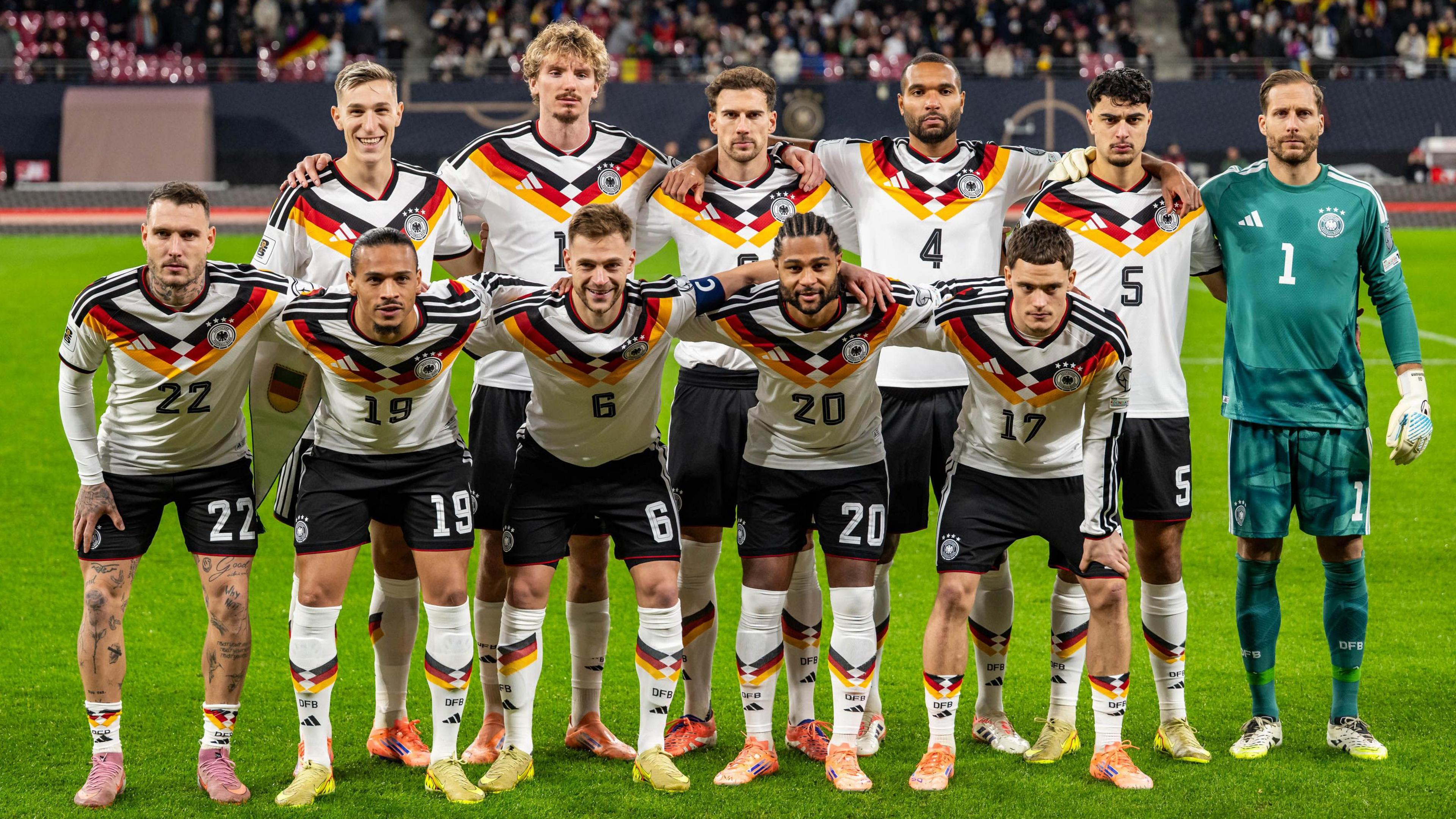
Germany's defeat marks a watershed moment for international football. The four-time World Cup champions, with their tradition of excellence and technical superiority, came unstuck against a team that refused to be intimidated by history or reputation. This isn't merely a World Cup surprise; it's a statement about how modern football has democratized competitive excellence. Teams like Ecuador can no longer be dismissed as mere participants. Under the right tactical framework and with proper preparation, they can compete with and beat anyone.
For Ecuador, the implications extend far beyond this single match. A victory of this magnitude provides immeasurable confidence heading into knockout football. The psychological boost cannot be overstated—players who perform at this level against elite opposition gain belief that translates into subsequent matches. Beccacece has proven he can manage elite-level pressure situations, and his stock as a coach has risen exponentially.
The road ahead remains challenging, but Ecuador's fairytale has only just begun. If they can maintain this intensity and tactical cohesion, they could make a genuine deep run. For Beccacece, this moment vindicates his appointment and establishes him as one of the tournament's shrewdest tactical minds. German manager Julian Nagelsmann now faces tough questions about his team's preparation and composure against unconventional opponents. The upset serves as a reminder that World Cup football respects neither pedigree nor expectation.