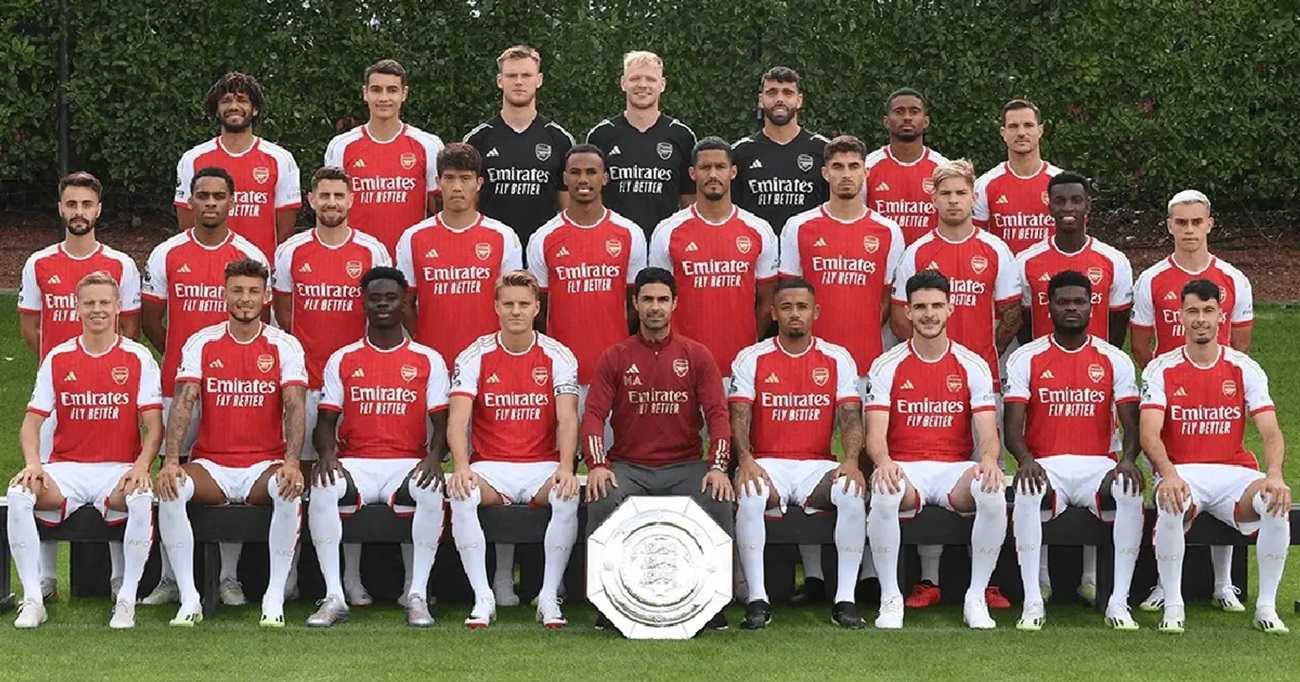
After years of falling short, Arsenal have finally breached the Premier League summit. With Manchester City held to a draw at Bournemouth on Thursday, the Emirates faithful witnessed the moment that broke a curse stretching back to the Tony Adams era of the early 2000s. This wasn't just another trophy—it represents vindication for a manager who faced constant scrutiny, a fanbase that endured decades of heartbreak, and a club that refused to abandon its vision despite relentless championship near-misses.
The timing makes this title all the more significant. Just as Pep Guardiola faces uncertainty over his Manchester City future and exits the trophy conversation for the first time in his tenure, Arsenal have surged to claim the crown. The contrast couldn't be starker: City's dominance finally crumbles while the Gunners prove their consistency isn't a fluke but the foundation of a new dynasty.
Mikel Arteta's approach has been methodical and purposeful. Rather than panic-buying superstars or chasing marquee signings, he constructed a squad built on youth development, strategic acquisitions, and organizational excellence. Players like Bukayo Saka, Declan Rice, and Martin Ødegaard matured under his stewardship, while tactical adjustments throughout the season—adapting formations, managing player workload, and maintaining intensity—kept Arsenal ahead of competitors who stumbled at crucial moments.
What makes this achievement particularly impressive is how Arsenal won it. The title wasn't secured through a desperate final-day scramble or a lucky break, but through consistent excellence across the entire campaign. The squad demonstrated resilience when injuries struck, tactical flexibility when opponents changed their approach, and the mentality of champions when pressure mounted. This wasn't a one-man team carried by a superstar; it was a collective triumph.
Want AI-Powered Match Predictions?
Get daily tips, AI accumulators and bankroll advice from SportCast.
🚀 Join SportCast VIPFor the club's supporters, this moment carries decades of emotional weight. Arsenal fans who grew up hearing about the invincibles of 2004, or remembering the near-misses under previous regimes, can finally celebrate a tangible return to the summit. The narrative surrounding the club shifts overnight—from perennial challengers to legitimate powerbrokers in European and domestic football.
The implications extend beyond Arsenal themselves. Manchester City's inability to secure another title raises questions about the sustainability of their model and Guardiola's long-term future. Liverpool, Chelsea, and Manchester United must now reckon with an Arsenal side that has proven it can sustain a title challenge over an entire season. The Premier League landscape has fundamentally changed.
Arsenal's journey isn't over—European ambitions await, and defending a Premier League crown proves far more difficult than winning the first one. But on this Thursday night, as celebrations erupted at the Emirates and across north London, one thing was certain: the years of 'nearly' have finally ended. Arsenal are champions again.