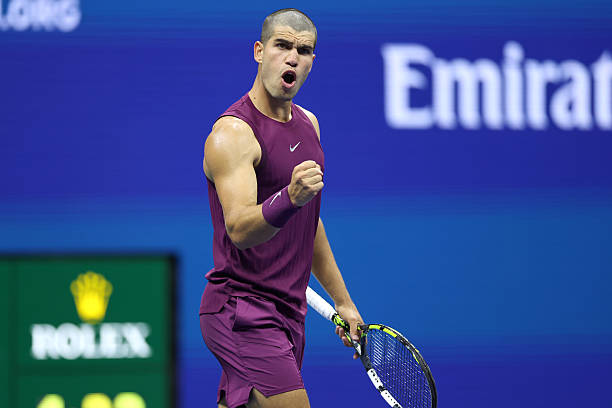
Carlos Alcaraz's withdrawal from the Cincinnati Open represents a worrying development in what has been an injury-plagued summer for the Spanish tennis prodigy. The withdrawal, confirmed Wednesday, means the world number one will miss one of the ATP circuit's most prestigious Masters events, just weeks before the US Open begins its annual assault on the tennis calendar.
Lingering injuries have become an unwelcome companion to Alcaraz's otherwise meteoric rise through professional tennis. The 23-year-old has already contended with various physical setbacks during 2026, and his decision to sit out Cincinnati suggests a cautious approach to managing a persistent problem rather than a sudden acute issue. This measured handling of injury reflects the maturity increasingly evident in Alcaraz's game, though it inevitably raises questions about his availability for the season's remaining major tournaments.
Cincinnati holds particular significance in the tennis calendar. The Masters event traditionally serves as crucial preparation for the US Open, offering players a chance to fine-tune their form on hard courts under conditions that closely mirror those at Flushing Meadows. Alcaraz's absence means he loses valuable competition time and the opportunity to build momentum heading into the year's final Grand Slam.
The bigger concern for the Spanish star involves the US Open itself. Should his lingering injury persist, Alcaraz faces a genuine dilemma: risk playing through discomfort and potentially aggravating the problem, or withdraw from another major and accept the loss of ranking points and prize money. Given his current position atop the world rankings, preserving his fitness appears to be taking priority over tournament participation—a sensible strategy for someone who has already won multiple Grand Slam titles and faces a lengthy professional career.
Alcaraz's competitors will view his absence as an opportunity. The absence of one of the circuit's most formidable competitors opens the Cincinnati draw considerably, while also suggesting possible vulnerability at the US Open. Jannik Sinner and other rising players will be monitoring Alcaraz's injury status closely, understanding that his fitness could determine the competitive landscape of upcoming majors.
From a broader perspective, Alcaraz's injury troubles highlight the physical demands modern professional tennis places on elite competitors. The relentless schedule, the intensity of matches, and the biomechanical stresses of the sport all contribute to chronic issues that even the game's finest talents must manage carefully. How Alcaraz navigates these challenges in the coming weeks will significantly impact his prospects for the remainder of 2026.